
There's nothing quite like that sudden jolt of spotting a spider scurrying across your living room floor—or worse, dangling above your bed. While spiders play a valuable role outdoors by controlling insect populations, most homeowners prefer to keep their eight-legged visitors outside where they belong. The good news? Keeping spiders out of your house is entirely achievable with the right combination of prevention, maintenance, and smart home habits. Here's everything you need to know to make your home far less appealing to these persistent arachnids.
How to Keep Spiders Out of Your House by Sealing Entry Points
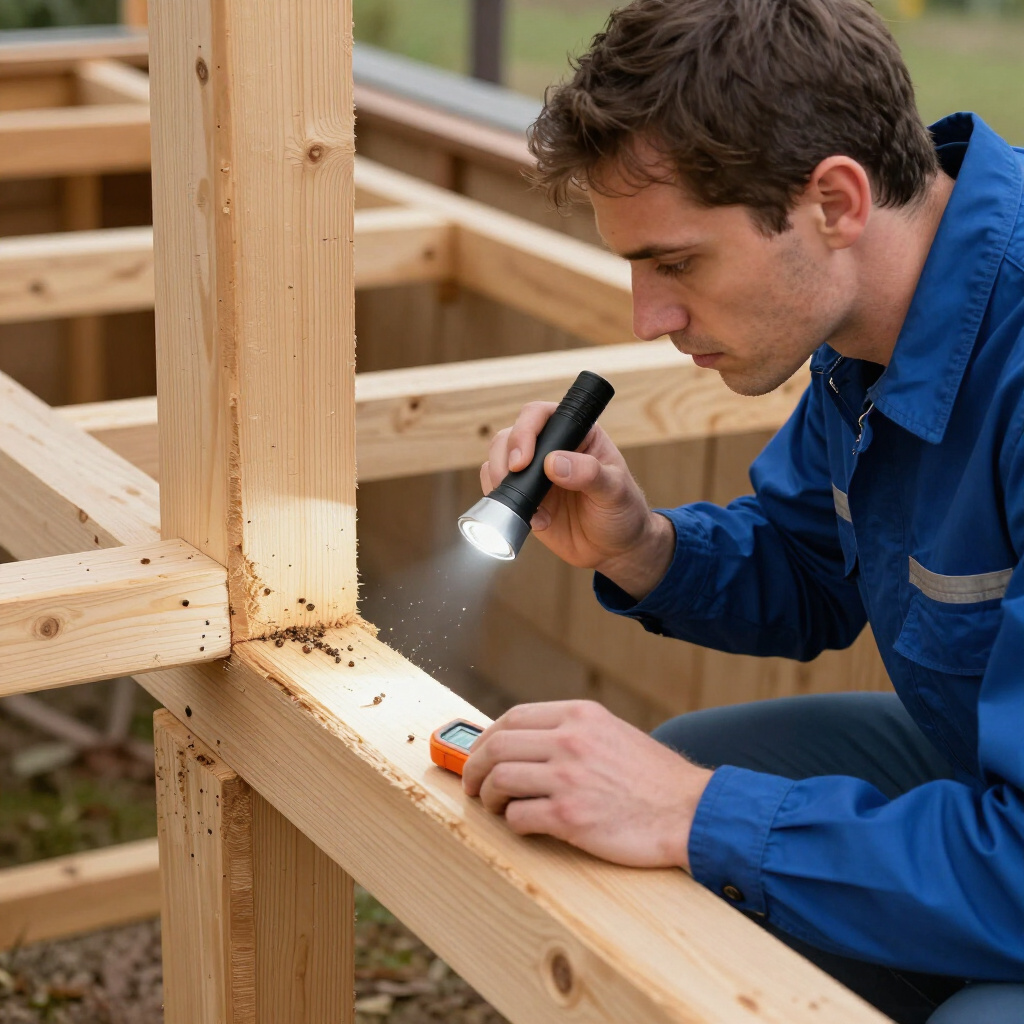
Spiders are master contortionists, capable of squeezing through gaps you'd barely notice. If you want to keep spiders out of your house effectively, start by conducting a thorough inspection of your home's exterior. Pay special attention to areas where utilities enter your home—cable lines, plumbing, and electrical conduits often leave small openings that spiders exploit.
Walk around your foundation with a critical eye. Look for cracks in concrete, gaps around window frames, and spaces beneath doors. Weatherstripping worn thin or missing entirely is an open invitation. Replace damaged sweeps on exterior doors and install door seals if you can see daylight beneath any entryway. For windows, ensure screens fit snugly without tears or warping, and repair or replace any that have seen better days.
Don't overlook your attic and crawlspace vents. Cover these with fine mesh screens—standard hardware cloth with quarter-inch openings won't stop smaller spiders, so opt for finer mesh where practical. Caulk remains your most versatile tool here; use high-quality silicone caulk for gaps around windows, door frames, and where siding meets trim. For larger openings, especially around pipes, consider expanding foam followed by sealant for a professional finish.
Ventilation is essential, but so is screening. Check dryer vents, soffit vents, and chimney openings. These functional necessities can become highways for spiders if left unprotected. Annual inspection and maintenance of these areas pays dividends in spider prevention.
Remove the Conditions That Attract Spiders
Understanding why spiders enter your home in the first place transforms prevention from guesswork into strategy. Spiders need two things: shelter and food. Your home offers both in abundance, but you can tilt the balance back in your favor.
Outdoor lighting deserves immediate attention. Standard white bulbs attract flying insects by the hundreds, and where insects congregate, spiders follow to hunt. Swap these for warm-toned LED bulbs or, better yet, yellow "bug lights" that emit wavelengths less attractive to insects. Position lights away from doorways when possible, directing illumination where you need it without creating an insect buffet on your threshold.
Landscaping choices significantly impact spider pressure against your home. Dense shrubs, ivy climbing walls, and thick mulch beds touching your foundation create ideal spider habitat mere inches from your interior. Maintain an eighteen-inch vegetation-free zone around your foundation. Trim tree branches so they don't contact your roof or walls—spiders use these as bridges directly to higher entry points. Store firewood at least twenty feet from your home and elevate it off the ground; firewood piles are spider condominiums.
Moisture management extends your defense indoors and out. Spiders, like most creatures, gravitate toward damp environments. Ensure gutters drain properly and don't overflow near your foundation. Fix leaky outdoor faucets and improve drainage in chronically wet areas. Inside, run dehumidifiers in basements and crawlspaces, keeping humidity below fifty percent when possible. Address plumbing leaks promptly, and ensure bathrooms vent properly after showers.
Clutter control matters enormously. Spiders seek undisturbed spaces to establish webs and egg sacs. Basements stuffed with cardboard boxes, attics layered with forgotten belongings, and closets packed to capacity offer sanctuary. Replace cardboard with sealed plastic containers. Regularly disturb and clean quiet corners, behind furniture, and storage areas. Vacuum thoroughly and frequently, not just floors but ceilings, corners, and window tracks where webs begin.
Key Tips for Persistent Spider Problems
Sometimes prevention needs reinforcement. For ongoing spider activity, targeted approaches complement your foundational efforts.
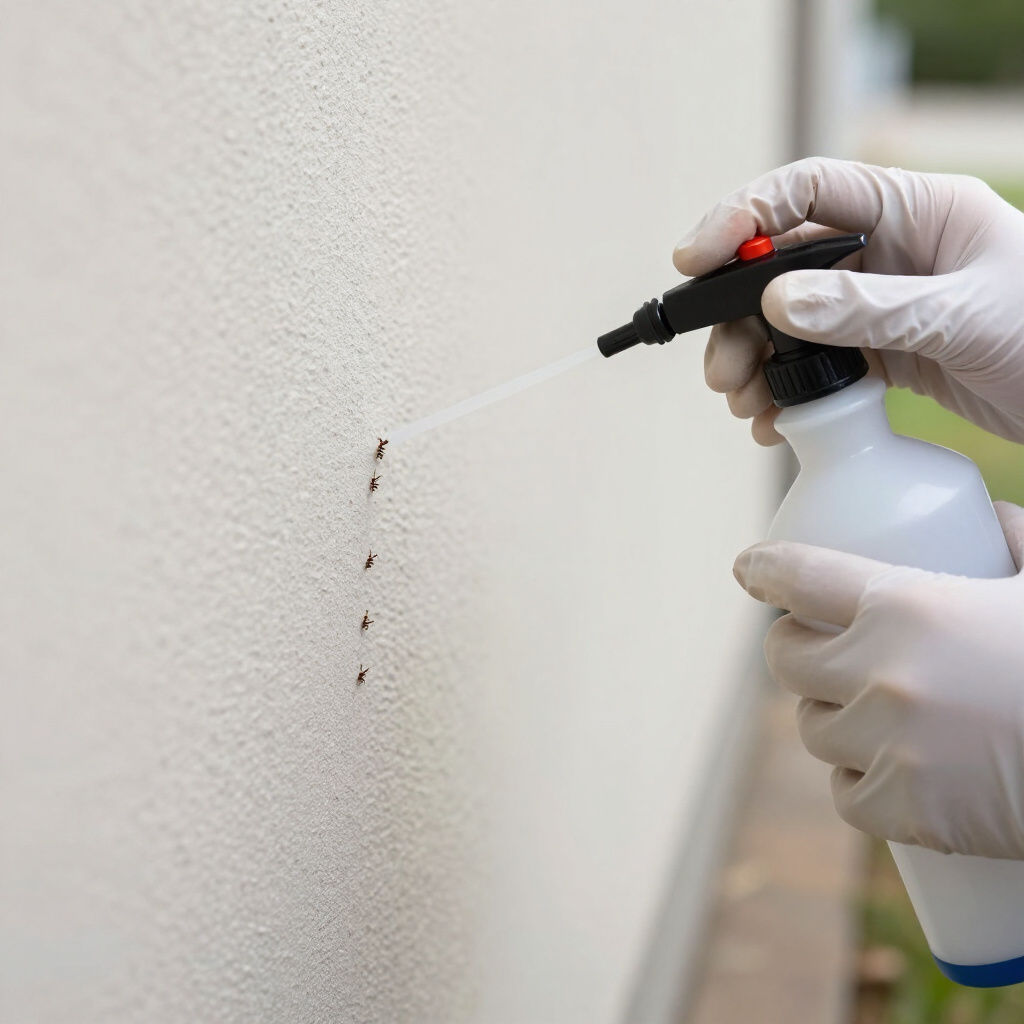
Consider your exterior perimeter treatments carefully. Diatomaceous earth, a natural powder made from fossilized algae, can be applied around foundation perimeters and entry points. It abrades spiders' exoskeletons, leading to dehydration. Reapply after rain or heavy moisture. Essential oil mixtures—peppermint, tea tree, and eucalyptus feature prominently in homemade deterrents—may provide modest repellent effects when sprayed around windows and doors, though expect to reapply frequently as potency fades quickly.
Inside, vacuuming remains your most effective immediate control method. Unlike swatting or squishing, vacuuming removes spiders, webs, and egg sacs entirely. Dispose of the bag or canister contents outside promptly. For webs in high corners and ceiling junctions, extendable dusters with sticky surfaces work wonders without requiring a ladder.
Monitor with purpose. Glue boards placed along baseboards, in corners, and near suspected entry points reveal where spiders are traveling and how many you're dealing with. This intelligence guides where to focus sealing and cleaning efforts. Check and replace boards regularly.
Know when professional intervention becomes appropriate. If you're encountering dangerous species—brown recluse or black widow spiders warrant particular caution—or if spider numbers remain high despite diligent efforts, a licensed pest control professional brings expertise in identification, targeted treatments, and addressing hidden conditions you may have missed. Professional perimeter treatments with appropriately labeled products create protective barriers that DIY approaches struggle to match in longevity and completeness.
Final Thoughts
Learning how to keep spiders out of your house isn't about achieving absolute elimination—an unrealistic goal for most homes—but about establishing control that keeps your living spaces comfortable and your encounters rare. The most successful approach combines multiple strategies: rigorous exclusion through sealing, environmental modification to reduce attraction, consistent maintenance of clean and dry conditions, and appropriate intervention when activity persists.
Start with the fundamentals this week. Walk your home's exterior with fresh eyes, noting every potential entry. Address the easy wins first—damaged screens, visible gaps, outdoor lighting changes. Build habits of regular vacuuming in spider-prone areas and seasonal landscaping maintenance. With patience and consistency, you'll transform your home from a spider destination into a place they simply pass by, leaving you to enjoy your space without unwelcome surprises.