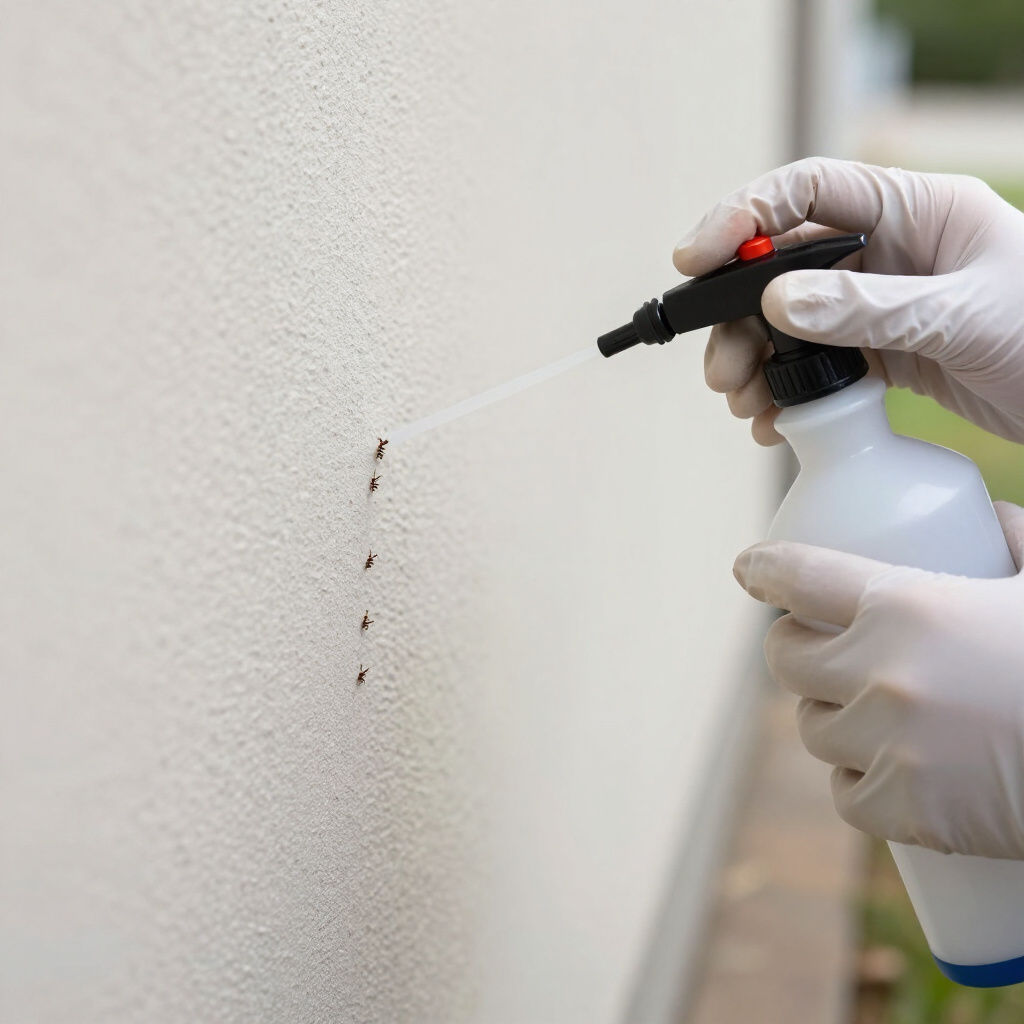

Few things are more frustrating than spotting a trail of ants marching across your kitchen counter or finding them swarming around a single crumb you missed. These tiny invaders seem to appear out of nowhere, and once they find a food source, they waste no time inviting the entire colony. The good news? With the right approach, you can make your home far less appealing to ants and stop problems before they start. Here's what every homeowner should know about keeping ants outside where they belong.
How to Prevent Ants From Invading Your Home Starts With Eliminating Food Sources
Ants are relentless foragers, and their entire mission is to find food for their colony. Your kitchen is essentially a treasure trove if you're not careful. The single most effective step you can take is to remove what attracts them in the first place.
Store all pantry items in airtight containers. Glass jars, plastic bins with tight-sealing lids, and even heavy-duty resealable bags work well. Cardboard boxes and paper packaging are no match for determined ants, and they can easily detect the food inside. Pay special attention to sugar, honey, syrup, pet food, and anything with a strong scent.
Cleanliness matters enormously. Wipe down counters after every meal preparation, sweep floors daily, and don't let dirty dishes sit in the sink overnight. Even a thin film of grease or a few grains of sugar can be enough to draw attention. Take out garbage regularly and use bins with lids that seal completely. If you have outdoor trash cans, keep them away from your home's foundation and ensure they're tightly closed as well.
Pet owners often overlook this, but leaving food bowls out all day is an open invitation. Feed your pets at set times, then remove and clean the bowls. Store pet food in sealed containers rather than in the original bag.
Seal Entry Points to Block Ant Access
Ants are remarkably small and resourceful when it comes to finding ways inside. A crack no wider than a credit card edge is plenty of space for many species to squeeze through. To truly protect your home, you need to think like an ant and eliminate every possible entrance.
Start with a thorough inspection of your home's exterior. Check around windows and doors for gaps in weatherstripping or caulk. Replace worn seals and add door sweeps if you can see light coming through beneath exterior doors. Examine where utility lines enter your home—pipes, cables, and vents often have small openings that ants exploit.
Foundation cracks deserve special attention. Even hairline fractures can serve as highways for ants. Seal these with appropriate caulk or masonry repair products. Don't forget about screens: torn window screens and gaps around screen frames are common entry points that many homeowners miss.
Inside your home, pay attention to less obvious access routes. Gaps around baseboards, spaces behind kitchen cabinets where pipes enter, and cracks in tile grout can all provide pathways. While you're sealing, also address moisture issues. Leaky faucets, condensation under sinks, and damp basements attract certain ant species that prefer humid environments.
Key Tips for Long-Term Ant Prevention
Beyond the fundamentals, several additional strategies strengthen your defenses and help ensure ants don't become a recurring headache.
Manage your landscape wisely. Ants often establish nests near foundations before venturing inside. Keep shrubs, tree branches, and mulch at least a foot away from your exterior walls. Trim back any vegetation that touches your home, as these serve as natural bridges. Avoid thick mulch layers right against your foundation—ants love nesting in these protected, moist environments.
Use natural deterrents strategically. While not a complete solution on their own, certain substances can discourage ant activity in specific areas. Vinegar solutions disrupt scent trails that ants follow. A line of diatomaceous earth across known entry points can deter many species. Peppermint oil, cinnamon, and citrus peels have repellent properties, though they need frequent reapplication. These work best as supplementary measures alongside proper sealing and sanitation.
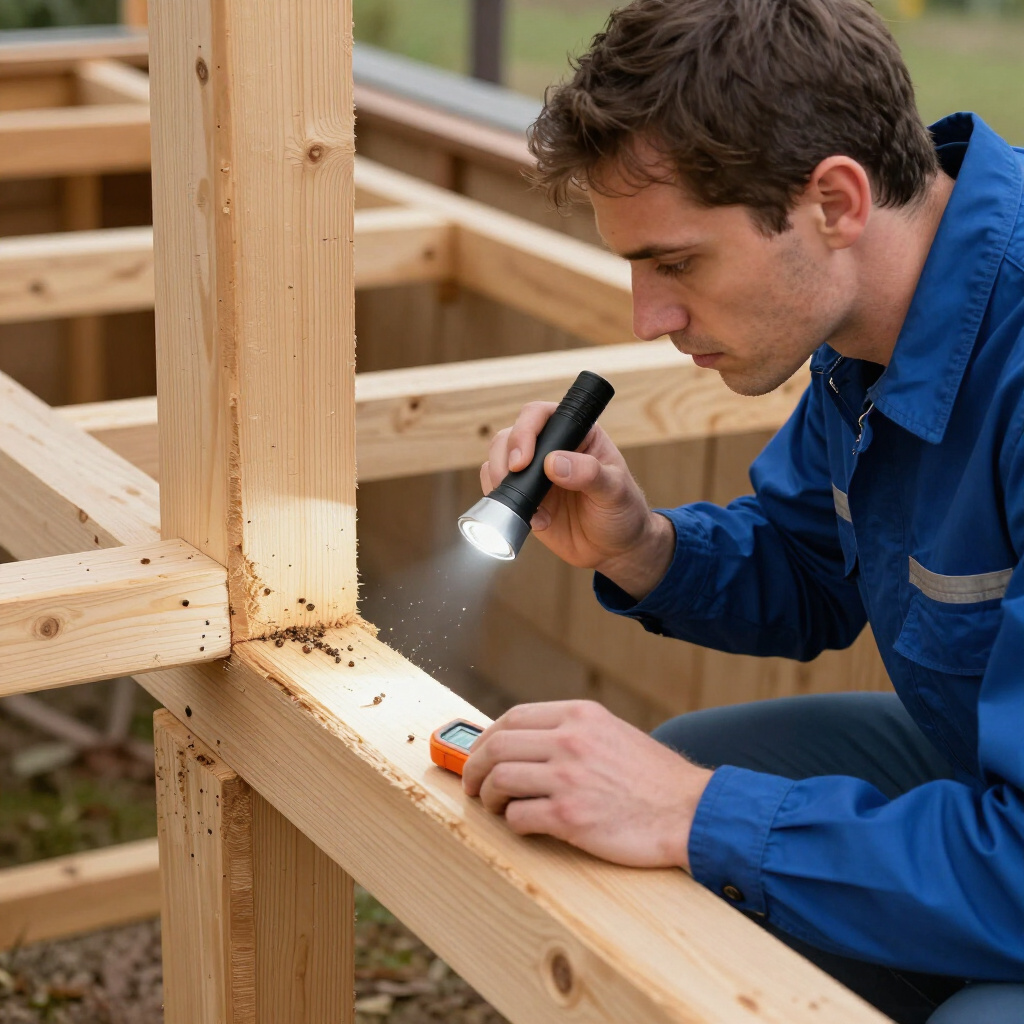
Address moisture throughout your property. Fix leaky outdoor spigots, ensure gutters drain properly, and eliminate standing water. Many ant species are drawn to moisture, and damp wood can even attract carpenter ants that cause structural damage.
Know when to call professionals. If you're seeing ants consistently despite your best efforts, or if you notice large black ants that might be carpenter ants, professional evaluation is warranted. Some infestations originate from nests hidden inside walls or beneath floors that homeowner efforts simply cannot reach. Ongoing problems may also indicate multiple colonies or a species that requires specialized treatment approaches.
Be consistent with seasonal vigilance. Ant activity fluctuates throughout the year. Spring typically brings increased foraging as colonies expand. Summer heat can drive ants indoors seeking moisture. Fall often triggers last-ditch food gathering before cooler temperatures arrive. Adjust your prevention efforts to match these patterns—perhaps doing a thorough exterior seal check each spring and maintaining extra vigilance during peak activity periods.
Final Thoughts
Learning how to prevent ants from invading your home comes down to understanding what draws them and systematically removing those attractions. No single tactic works in isolation. The homeowners who stay ant-free combine diligent sanitation, thorough exclusion work, and smart property management into an ongoing routine rather than a one-time effort.
Ants are persistent, but they're not unstoppable. By making your home difficult to enter and unrewarding to explore, you shift the odds firmly in your favor. Start with the food sources and entry points we've covered, add the long-term strategies that fit your situation, and you'll spend far less time dealing with unwelcome six-legged visitors—and much more time enjoying your home in peace.