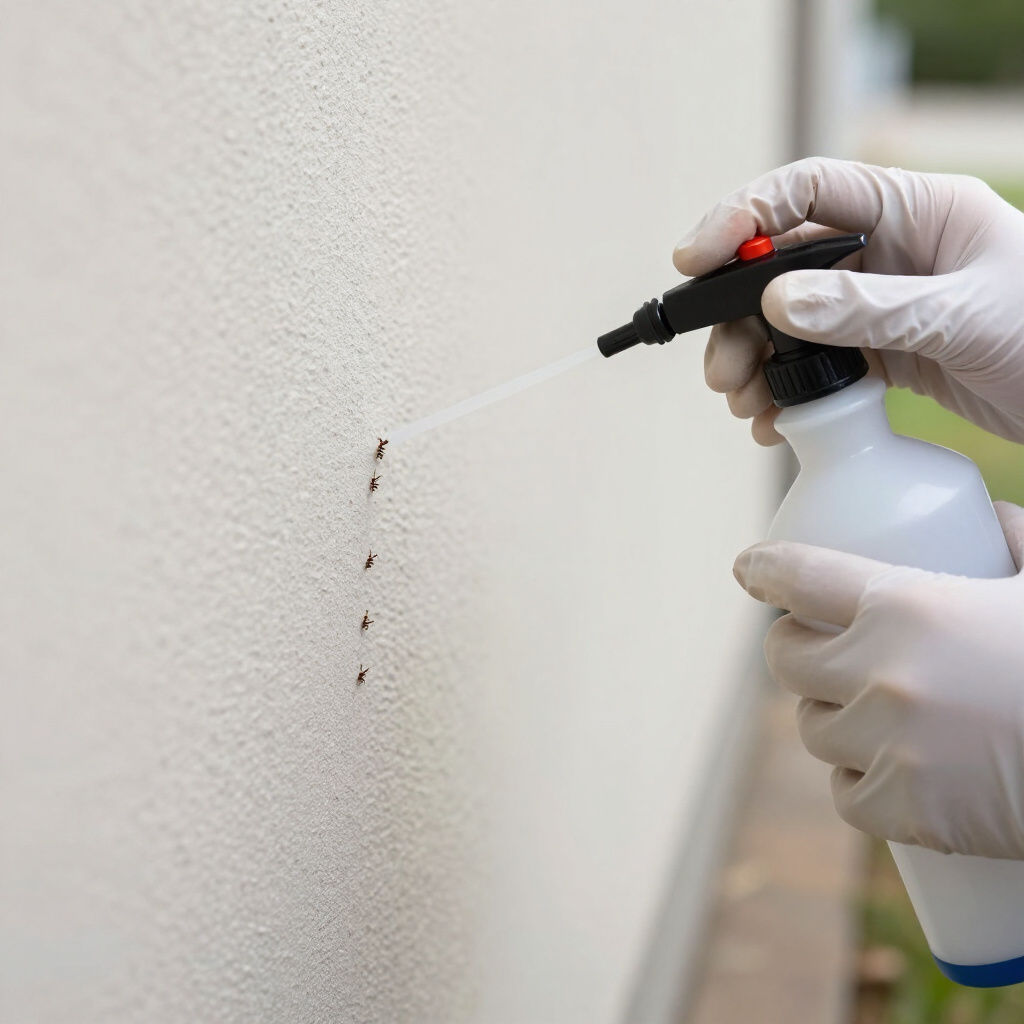


There's something unsettling about spotting a mouse dart across your kitchen floor or discovering a line of ants marching toward your pantry. Household pests are more than just a nuisance—they can damage your property, contaminate food, and in some cases, pose serious health risks to your family. The good news? Most infestations are entirely preventable with the right knowledge and consistent habits. Whether you're dealing with a current problem or simply want to keep your home protected, understanding which pests are most likely to invade—and why—puts you in the best position to defend your space.
Most Common Household Pests and How to Prevent Them
Every region has its own pest challenges, but certain invaders show up in homes across the country with remarkable consistency. Ants top the list, drawn by even the tiniest crumbs and moisture sources. These social insects establish scent trails that bring hundreds of followers right to your countertops. Cockroaches thrive in warm, humid environments and multiply rapidly once they find reliable food and water. Mice and rats seek shelter as temperatures drop, squeezing through gaps as small as a dime to access your walls, attic, or basement. Termites work silently, often causing extensive structural damage before homeowners notice any signs. Spiders, while generally beneficial predators, become unwelcome when they establish webs in living areas. Bed bugs hitchhike on luggage and furniture, spreading through homes and apartments with alarming efficiency. Finally, seasonal invaders like stink bugs, boxelder bugs, and cluster flies push indoors when outdoor conditions become unfavorable.
Prevention starts with understanding each pest's motivations. Ants need food and moisture. Eliminate standing water, wipe counters daily, store food in sealed containers, and address plumbing leaks promptly. Cockroaches require similar discipline—cleanliness matters enormously—but also need harborages eliminated. Reduce cardboard boxes, seal cracks around cabinets and pipes, and fix dripping faucets. Rodents want warmth, nesting materials, and food. Store pet food securely, keep firewood away from your foundation, and install door sweeps and weatherstripping. Termites demand professional vigilance: maintain proper drainage around your foundation, keep mulch and soil away from siding, and schedule regular inspections. For spiders, reduce their prey (other insects) and remove webs consistently. Bed bug prevention means inspecting hotel rooms, vacuuming luggage after travel, and being cautious with secondhand furniture. Seasonal invaders are best managed by sealing exterior entry points before temperatures shift.
Where Pests Hide and How to Spot Them Early
Early detection separates a minor inconvenience from a full-blown infestation. Pests are masters of concealment, so knowing where to look gives you a significant advantage. Kitchen cabinets, especially under sinks and behind appliances, attract ants and cockroaches seeking moisture and food residue. Mice favor wall voids, attics, basements, and anywhere insulation provides nesting material—listen for scratching at night when they're most active. Termites often reveal themselves through mud tubes on foundation walls, hollow-sounding wood, or discarded wings near windows. Spiders congregate in undisturbed corners, closets, garages, and storage areas. Bed bugs hide in mattress seams, box springs, headboard crevices, and even electrical outlets near sleeping areas.
Develop the habit of regular inspection. Pull appliances forward quarterly to clean beneath and behind them. Check your attic and basement seasonally for droppings, nesting material, or damage. Examine your home's exterior annually for new cracks, gaps around utility penetrations, or deteriorating weatherproofing. The fifteen minutes you spend on prevention saves countless hours and dollars in remediation later.
Key Tips for Long-Term Pest Management
Sustainable pest control isn't about dramatic interventions—it's about consistent, layered practices that make your home fundamentally unappealing to invaders. Start with exclusion: caulk gaps around windows and doors, repair torn screens, install chimney caps, and cover vents with fine mesh. Maintain your landscape deliberately—trim branches away from your roofline, keep shrubs at least a foot from your foundation, and eliminate standing water in gutters, planters, or low spots in your yard.
Inside, adopt storage habits that deny pests resources. Use glass or hard plastic containers rather than cardboard or paper packaging. Take garbage out regularly and use cans with tight-fitting lids. Manage humidity with dehumidifiers in damp basements and proper ventilation in bathrooms and kitchens. Even your pet's feeding routine matters—don't leave food out overnight, and store bulk pet food in sealed containers.
Know when professional help becomes necessary. DIY methods work for minor, isolated issues, but certain situations demand expertise: recurring infestations despite your efforts, signs of termite activity, large rodent populations, or bed bug presence. Licensed pest control professionals can identify species correctly, locate hidden nests or entry points, and apply targeted treatments safely. They also provide documentation that's often required for real estate transactions and can establish ongoing monitoring programs for peace of mind.
Final Thoughts
Your home should be a sanctuary, not a shared space with unwanted creatures. The most effective approach to household pests combines vigilance, prevention, and prompt action when problems arise. Most Common Household Pests and How to Prevent Them isn't just about eliminating what's already inside—it's about building habits and home maintenance practices that stop problems before they start. Small changes in how you store food, manage moisture, and seal your home's exterior create powerful, cumulative protection. Stay observant, act quickly at the first signs of trouble, and don't hesitate to call professionals when situations exceed your comfort level. A pest-free home is absolutely achievable, and the peace of mind that comes with it is worth every preventive step you take.