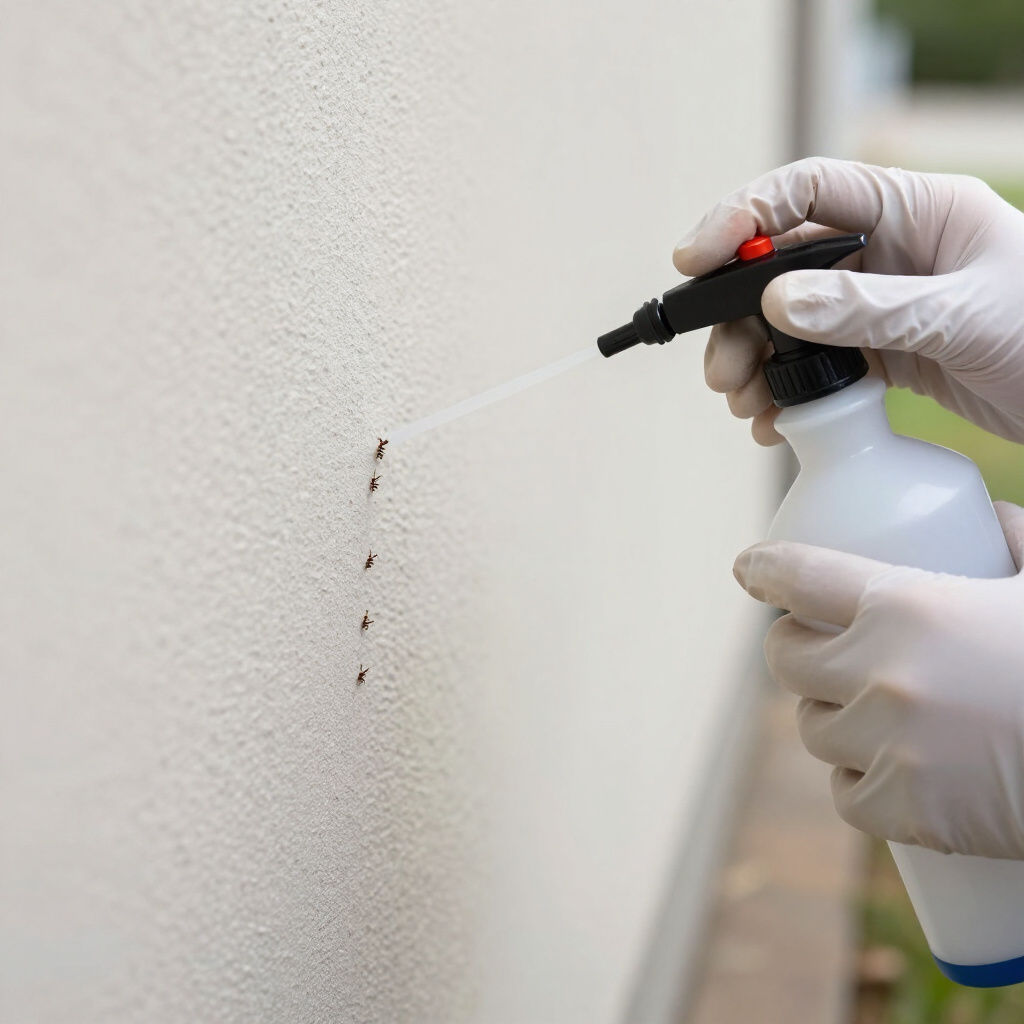

When ants march across your kitchen counter or aphids cluster on your tomato plants, reaching for a harsh chemical spray might feel like your only option. But more homeowners are discovering that natural pest control methods can be surprisingly effective—without introducing toxic substances into their living spaces. The key is knowing which approaches actually deliver results and how to apply them strategically. Whether you're protecting your garden, your pantry, or your family's health, these proven techniques can help you manage pests naturally and sustainably.
Natural Pest Control Methods for Your Home and Garden
Natural pest control methods work by disrupting pest behavior, creating physical barriers, or attracting beneficial predators rather than relying on synthetic chemicals. The most successful approach combines multiple strategies tailored to your specific pest problem. Here are the techniques that consistently produce real results for homeowners and gardeners alike.
Essential oil repellents rank among the most versatile natural solutions. Peppermint oil effectively deters spiders, ants, and mice when diluted with water and sprayed along entry points and baseboards. Tea tree, eucalyptus, and lavender oils repel various insects while leaving your home smelling fresh. For outdoor use, neem oil serves as a powerful botanical insecticide that disrupts feeding and reproduction in hundreds of pest species, including aphids, whiteflies, and Japanese beetles. Apply neem oil in early morning or evening to avoid harming beneficial pollinators.
Diatomaceous earth offers remarkable effectiveness against crawling insects. This fine powder consists of fossilized aquatic organisms with microscopic sharp edges that damage the protective exoskeletons of ants, cockroaches, fleas, and bed bugs, causing dehydration and death. Food-grade diatomaceous earth is safe for use around pets and children when applied to cracks, crevices, and other pest pathways. Reapply after vacuuming or wet conditions, as moisture reduces its effectiveness.
Physical barriers and traps eliminate pests without any chemical intervention. Sticky traps capture fungus gnats and whiteflies in houseplants. Copper tape creates an electrical charge that repels slugs and snails from garden beds. Row covers physically exclude cabbage worms and squash bugs from vulnerable crops. For indoor rodent issues, ultrasonic repellents and strategically placed snap traps address problems without poisons that could harm pets or wildlife.
Biological control harnesses nature's own pest management system. Introducing or attracting beneficial insects like ladybugs, lacewings, and parasitic wasps dramatically reduces aphid, mite, and caterpillar populations. A single ladybug consumes thousands of aphids during its lifetime. Planting dill, fennel, yarrow, and cosmos attracts these helpful predators to your garden. Birdhouses, bat boxes, and water features encourage natural pest-eating wildlife to take up residence on your property.
Building an Integrated Natural Pest Management System
Long-term success with natural pest control methods requires moving beyond single solutions toward an integrated approach that addresses why pests arrived in the first place. Prevention consistently outperforms reaction when managing pest populations sustainably.
Start with cultural practices that make your environment less hospitable to pests. Eliminate standing water where mosquitoes breed. Store pantry goods in airtight glass or metal containers to deny access to grain moths and weevils. Maintain clean gutters and proper drainage to reduce moisture that attracts termites and carpenter ants. In the garden, rotate crops annually, select resistant varieties, and space plants for adequate airflow to prevent fungal diseases and reduce pest habitat.
Companion planting leverages natural plant relationships for pest protection. Marigolds release compounds from their roots that repel root-knot nematodes and deter whiteflies. Nasturtiums act as trap crops, drawing aphids away from vegetables. Alliums planted among roses discourage aphids, while basil planted near tomatoes may reduce hornworm damage. These traditional combinations have stood the test of time because they genuinely influence pest behavior.
When intervention becomes necessary, timing and targeting maximize natural method effectiveness. Handpick Japanese beetles in early morning when they're sluggish. Apply Bacillus thuringiensis (Bt), a naturally occurring soil bacterium, when caterpillars are small and actively feeding. Release beneficial insects at dusk near the affected plants. Monitor pest populations regularly so you can intervene before infestations escalate beyond what natural methods can reasonably control.
Key Tips for Success with Natural Approaches
Transitioning to natural pest control methods requires adjusting expectations and techniques. These practical guidelines help ensure your efforts yield satisfactory results without unnecessary frustration or expense.
Be patient with the process. Natural methods often work more gradually than chemical alternatives. A neem oil application might take several days to fully impact an aphid colony, whereas a synthetic pyrethroid kills on contact. This slower action reflects a different mechanism—disruption rather than immediate toxicity—and ultimately supports healthier ecosystem balance. Resist the urge to over-apply natural products; more frequent or concentrated applications don't necessarily improve results and may harm beneficial organisms.
Identify your pest correctly before treating. Misidentification leads to wasted effort and continued damage. The control strategy for fungus gnats differs completely from that for fruit flies, though both are small flying insects. Take clear photos and consult extension service resources or reputable pest identification apps. Accurate identification ensures you select the most effective natural approach and apply it at the optimal time in the pest's life cycle.
Document what works in your specific conditions. Microclimates, soil types, and local pest pressure vary enormously. Keep notes about which natural pest control methods succeed in your particular home and garden. This record becomes invaluable for refining your approach season after season, helping you develop a personalized system that becomes more effective over time.
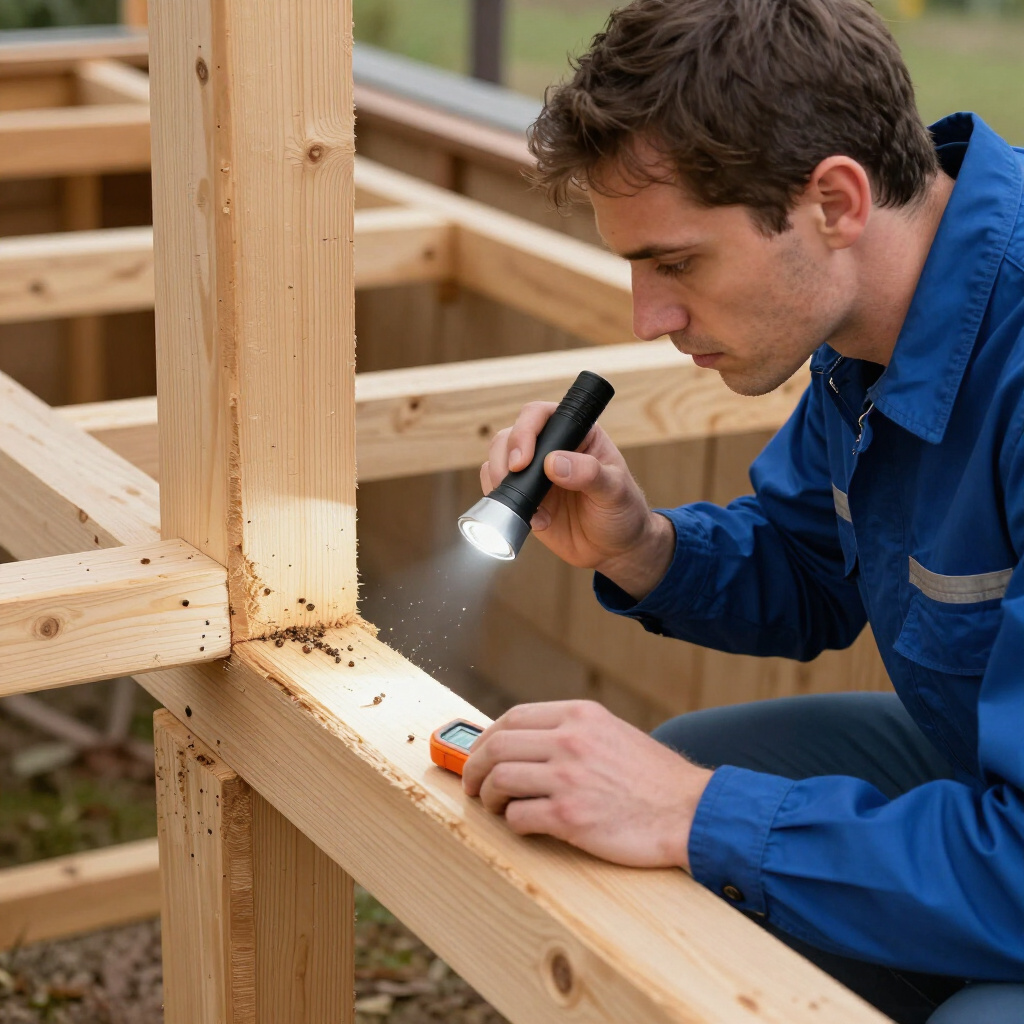
Know when to seek professional assistance. Some infestations—termites, bed bugs, and widespread carpenter ant colonies among them—may exceed what homeowner-applied natural methods can realistically address. Professional pest control services can integrate targeted treatments with ongoing prevention, and many now offer reduced-toxicity or botanical-based options that align with your preferences.
Final Thoughts
Natural pest control methods offer genuine, measurable protection for homes and gardens when applied knowledgeably and consistently. The most effective practitioners combine multiple techniques—essential oils and diatomaceous earth for immediate concerns, biological controls and cultural practices for lasting prevention, and careful observation to catch problems early. This integrated approach builds resilience into your pest management system rather than relying on repeated chemical interventions.
The shift toward natural solutions represents more than a trend; it reflects growing understanding that pest control exists within larger ecological contexts. Every chemical avoided is one less substance entering watersheds, soil food webs, and wildlife food chains. Every beneficial insect attracted is one more partner in maintaining garden health. By mastering these natural pest control methods, you protect not only your immediate space but contribute to broader environmental wellbeing—while still keeping ants out of your sugar bowl and Japanese beetles off your roses.