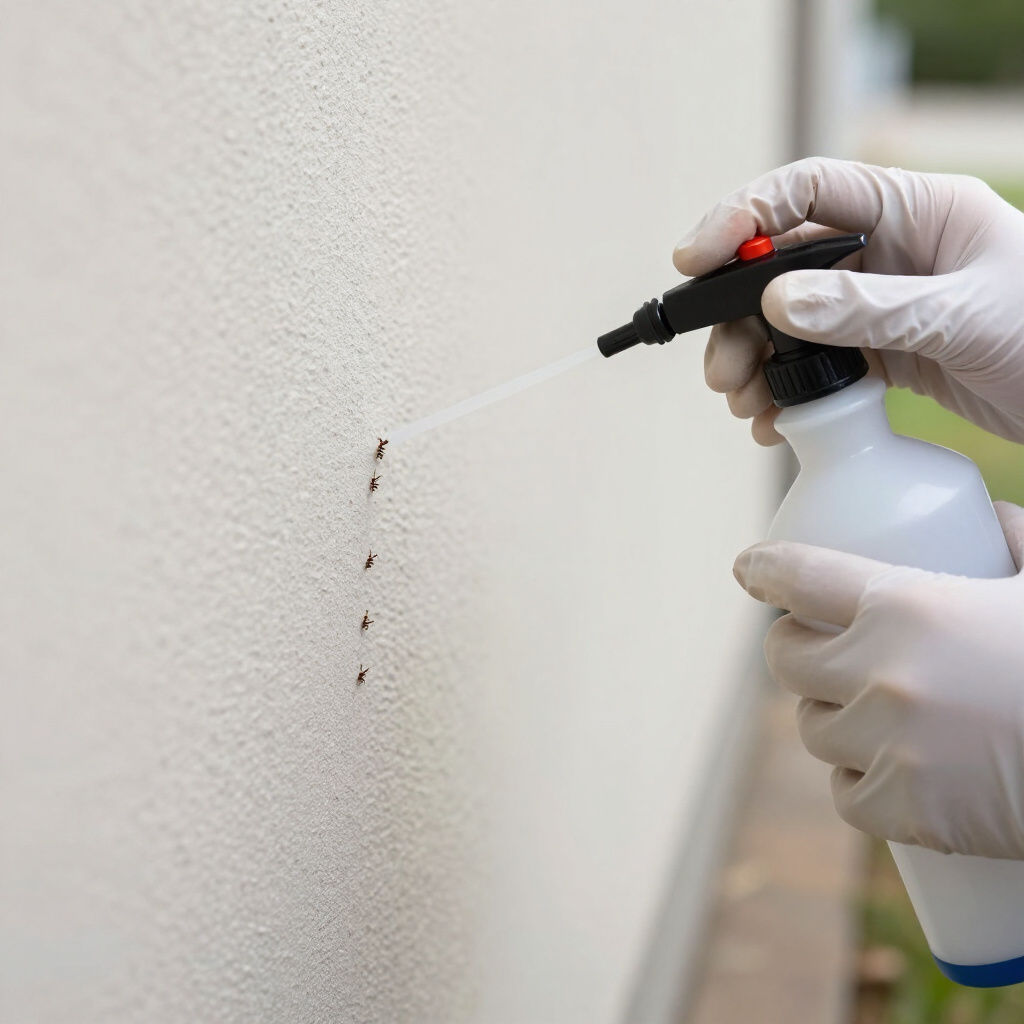


Every season brings its own beauty—and its own pest problems. From ants marching across your kitchen counter in spring to rodents seeking shelter in your attic come winter, staying ahead of these unwanted visitors requires year-round attention. Rather than reacting to infestations after they happen, a proactive approach saves you stress, money, and protects your family's health. This seasonal pest control checklist for homeowners will help you stay one step ahead of nature's most persistent invaders, no matter what the calendar says.
Spring: Awakening and Entry Points
As temperatures rise, pests emerge from their winter hiding spots with renewed energy—and hunger. Spring is when ants begin their relentless search for food, termites swarm to establish new colonies, and mosquitoes start breeding in standing water. This season demands immediate attention to your home's exterior defenses.
Start your spring pest control checklist for homeowners by walking your property's perimeter. Inspect foundation cracks, gaps around utility lines, and damaged window screens. Seal any opening larger than a quarter-inch—mice squeeze through spaces as small as a dime, and insects need even less. Trim shrubs and tree branches away from your roofline to eliminate natural bridges for pests.
Direct water away from your foundation by cleaning gutters and ensuring proper drainage. Check for standing water in flowerpot saucers, bird baths, and clogged drains where mosquitoes lay eggs. Inside, deep-clean your pantry, paying special attention to spilled grains and sugars that attract ants and stored product pests. Consider scheduling a professional termite inspection during this active swarming period.
Summer: Peak Activity and Outdoor Management
Summer represents peak pest pressure. Warm temperatures accelerate breeding cycles, bringing increased populations of mosquitoes, flies, wasps, and outdoor ants. Your focus shifts to managing activity around outdoor living spaces while maintaining interior barriers.
Your seasonal pest control checklist for homeowners should prioritize outdoor maintenance during these months. Keep garbage cans sealed with tight-fitting lids and clean them regularly to eliminate odors that attract flies and wasps. Maintain your lawn at proper height—overgrown grass harbors ticks and fleas, while too-short turf stresses grass and creates bare patches where ants thrive.
Audit your outdoor lighting strategy. Standard white bulbs attract flying insects; swap them for yellow "bug" lights that reduce attraction by approximately fifty percent. Install or repair screens on windows, doors, and vents. For mosquitoes, eliminate all standing water weekly, including children's toys, tire swings, and tarps. If you enjoy evening outdoors, consider strategically placed fans—mosquitoes are weak fliers and avoid breezy areas.
Inside, maintain strict food storage practices. Keep ripe fruit refrigerated, wipe counters after food preparation, and run your garbage disposal regularly. Check under sinks for leaks that create moisture attractive to cockroaches and silverfish.
Fall: The Invasion Season
Fall triggers one of the most dramatic pest behaviors of the year: the rush to find winter shelter. Stink bugs, boxelder bugs, lady beetles, and rodents all seek entry into warm structures as temperatures drop. This defensive season may be your most critical for prevention.
Conduct your most thorough exterior inspection of the year. Replace weather-stripping around doors and windows. Install door sweeps that actually contact the threshold—gaps as small as a quarter-inch invite mice. Screen attic vents, chimney openings, and crawl space entries with quarter-inch hardware cloth. Caulk around window frames, where siding meets trim, and along foundation cracks.
Pay special attention to your roof. Squirrels and raccoons exploit loose shingles, damaged fascia boards, and uncapped chimneys. Trim overhanging branches that provide access routes. Inside, inspect your attic for signs of rodent activity: droppings, gnawed materials, or disturbed insulation. Set traps proactively if you've had previous issues, positioning them along walls where rodents travel.
Firewood deserves special mention. Store it at least twenty feet from your home and elevate it off the ground. Wood piles harbor termites, carpenter ants, and rodents, and stacking against your home creates a direct highway for pests.
Winter: Hidden Threats and Indoor Vigilance
Cold weather drives remaining pests deeper into structures or triggers dormant phases. While you may see fewer insects, winter presents unique challenges from rodents and the occasional overwintering pest that wakes during warm spells.
Continue monitoring for rodent activity, as mice and rats remain active year-round once indoors. Check pantry items for gnawed packaging or droppings. Listen for scratching in walls or ceilings, particularly at night. Maintain your trapping program if evidence appears.
Inspect stored holiday decorations before bringing them indoors—wreaths, artificial trees, and cardboard boxes often harbor spiders, silverfish, or rodents. When retrieving items from attics or basements, wear gloves and watch for unexpected wildlife.
This quieter season offers opportunity for professional pest control services. Scheduling treatment during winter often means faster appointment availability and establishing protection before spring's surge. Many companies offer preventive programs that begin with winter assessment and planning.
Key Tips for Year-Round Success
Consistency separates effective pest management from constant crisis response. Incorporate these foundational practices into your routine regardless of season. First, maintain cleanliness standards that eliminate pest attractants—food debris, moisture, and clutter provide survival resources insects and rodents require.
Develop observation habits. The sooner you notice droppings, gnaw marks, mud tubes, or actual pests, the easier and cheaper intervention becomes. Walk your property monthly with purpose, varying your route to notice new developments.
Understand your local pest pressures. Coastal regions battle different invaders than arid climates; urban settings present distinct challenges from rural properties. Connect with your county extension office for region-specific guidance and emerging threats.
Know your limits. DIY methods work for minor, early-stage problems. Established infestations, structural pests like termites, and health-threatening species including venomous spiders or aggressive wasps warrant professional expertise. The cost of proper treatment typically exceeds the expense of repairing damage from delayed action.
Document everything. Keep records of what you observe, when, and what actions you take. This history proves invaluable for identifying patterns, evaluating effectiveness, and providing professionals accurate information if needed.
Final Thoughts
Effective pest management isn't about achieving a sterile environment—it's about maintaining boundaries that protect your home and health without unnecessary chemical intervention. This seasonal pest control checklist for homeowners provides the framework; your consistent application delivers results. Each season's tasks build upon the last, creating cumulative protection that strengthens over time. Start wherever you are in the calendar cycle, implement the relevant priorities, and transition smoothly into the next phase. With attention and timely action, you'll spend more seasons enjoying your home and fewer battling uninvited guests.