
Termites are often called "silent destroyers" for good reason. These tiny insects can chew through wood, flooring, and even wallpaper undetected, causing thousands of dollars in damage before you ever realize they're there. The key to protecting your home is catching an infestation early. Knowing the warning signs can mean the difference between a minor treatment and extensive structural repairs. Whether you're a new homeowner or have lived in your house for decades, understanding what to look for empowers you to act quickly and decisively.
Signs You May Have Termites in Your Home
The most common sign of termites is also one of the easiest to miss. Subterranean termites build distinctive mud tubes about the width of a pencil along foundation walls, crawl spaces, or concrete slabs. These pencil-thin tunnels provide moisture and protection as termites travel between their colony and food source. Break one open, and you may see creamy-white workers moving inside.
Damaged wood is another telltale indicator. Tap on baseboards, window sills, and wooden beams with a screwdriver handle. Hollow-sounding wood often means termites have eaten the interior, leaving only a thin veneer of paint or surface wood. You might also notice blistering or darkening on wood surfaces, or wood that crumbles easily when probed.
Swarming is perhaps the most dramatic sign you may have termites. In spring, mature colonies produce winged reproductives that fly out to start new colonies. These swarmers resemble flying ants but have straight antennae, equal-length wings, and straight waists. Finding discarded wings piled on windowsills, near doors, or in spider webs signals a nearby colony—possibly inside your walls.
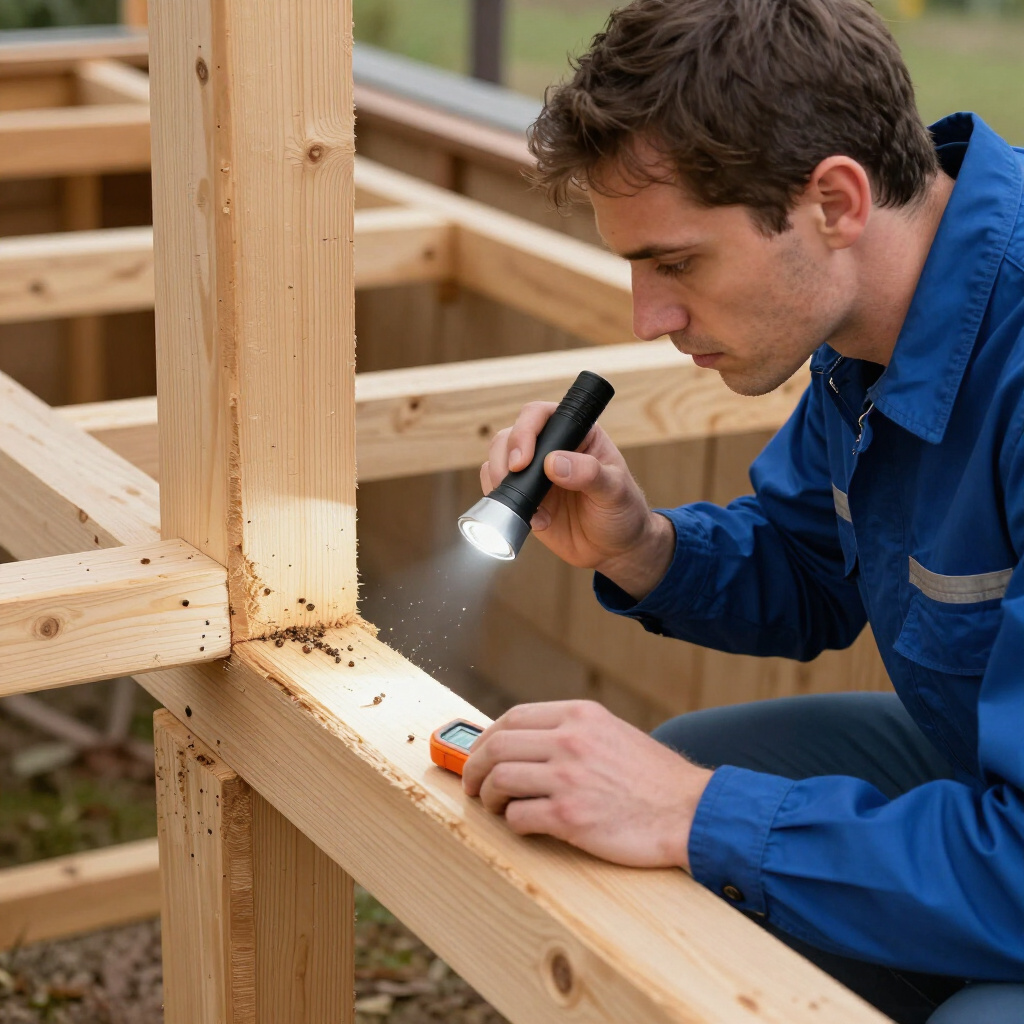
Drywood termites leave behind another unmistakable clue: frass. These six-sided droppings look like coarse sand or sawdust and accumulate in small piles below infested wood. Unlike sawdust from construction, frass pellets are uniform in shape and color, and their presence means active feeding is occurring above.
Less obvious signs include bubbling or peeling paint that resembles water damage, sagging drywall, and floors that feel spongy or springy underfoot. Doors and windows that suddenly stick or won't close properly may indicate warped frames from termite tunneling and moisture accumulation.
Where to Look: Common Termite Hideouts
Termites thrive in specific conditions, and knowing where to inspect improves your chances of early detection. Start outside your home. Check where wood meets soil—fence posts, deck supports, and stacked firewood should never directly contact earth. Inspect crawl spaces and basements for mud tubes along foundation walls and pier supports.
Inside, focus on moisture-prone areas. Bathrooms, kitchens, laundry rooms, and spaces around plumbing leaks attract subterranean termites. Examine attic spaces for drywood termite activity, especially if you have exposed wooden rafters or stored lumber. Even your roofline deserves attention; damaged shingles and clogged gutters create moisture entry points that termites exploit.
Don't forget exterior structures. Sheds, detached garages, and wooden landscaping features like retaining walls can harbor colonies that eventually spread to your main house. Any wood that shows weathering, soil contact, or persistent dampness warrants regular inspection.
Key Tips for Protecting Your Property
Prevention remains your strongest defense against termite damage. Maintain an 18-inch gap between soil and wooden portions of your home. Divert water away from foundations with functioning gutters, downspout extenders, and proper grading. Repair leaking faucets, pipes, and air conditioning units promptly—termites need moisture to survive.
Store firewood, lumber, and mulch away from your home's foundation. Wood mulch may look attractive in garden beds, but it creates ideal termite habitat directly against your walls. Consider rubber mulch or gravel alternatives for areas adjacent to the house.
Schedule professional inspections annually, even if you haven't noticed signs you may have termites. Trained technicians access areas homeowners typically cannot and recognize subtle indicators that untrained eyes miss. Many pest control companies offer free inspections, making this precaution cost-effective peace of mind.
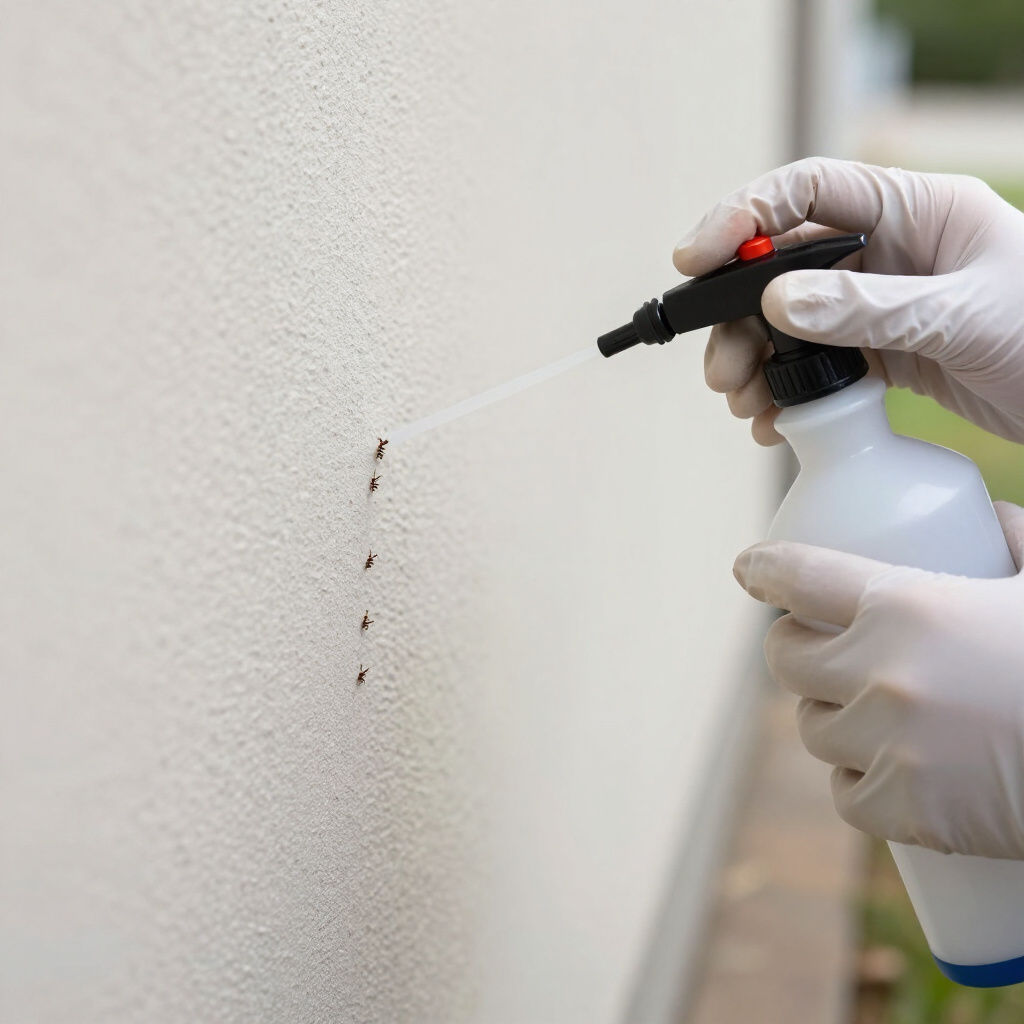
If you discover active termites, resist the urge to treat only visible areas with over-the-counter sprays. These spot treatments often scatter colonies deeper into hidden spaces. Professional treatments—whether liquid soil barriers, baiting systems, or whole-structure fumigation—address the colony itself and include warranties protecting against future damage.
Review your homeowner's insurance policy carefully. Most standard policies exclude termite damage, considering it preventable through maintenance. However, separate termite bonds or protection plans from reputable pest control providers can cover treatment costs and repairs if infestations occur despite preventive measures.
Final Thoughts
Termites work slowly but relentlessly, and the damage they cause rarely announces itself until it becomes serious. By learning to recognize mud tubes, hollow wood, swarmers, frass, and moisture damage, you position yourself to catch infestations in their earliest stages. Combine vigilant inspection with smart prevention—moisture control, proper wood storage, and professional monitoring—and you dramatically reduce your risk of becoming another termite damage statistic. Your home represents one of your largest investments. Protecting it from these hidden invaders is not paranoia; it's prudent homeownership. When in doubt, call a professional. The cost of an inspection is negligible compared to the peace of mind and potential savings it provides.