
Spotting a single ant in your kitchen might not raise alarm bells, but knowing when a pest problem has crossed the line from manageable to serious can save you time, money, and unnecessary stress. Many homeowners struggle with the decision of whether to tackle an infestation themselves or bring in expert help. Understanding the clear warning signs that indicate it's time to call a pest control professional can protect your home, your health, and your peace of mind.
When to Call a Pest Control Professional for Persistent or Worsening Infestations
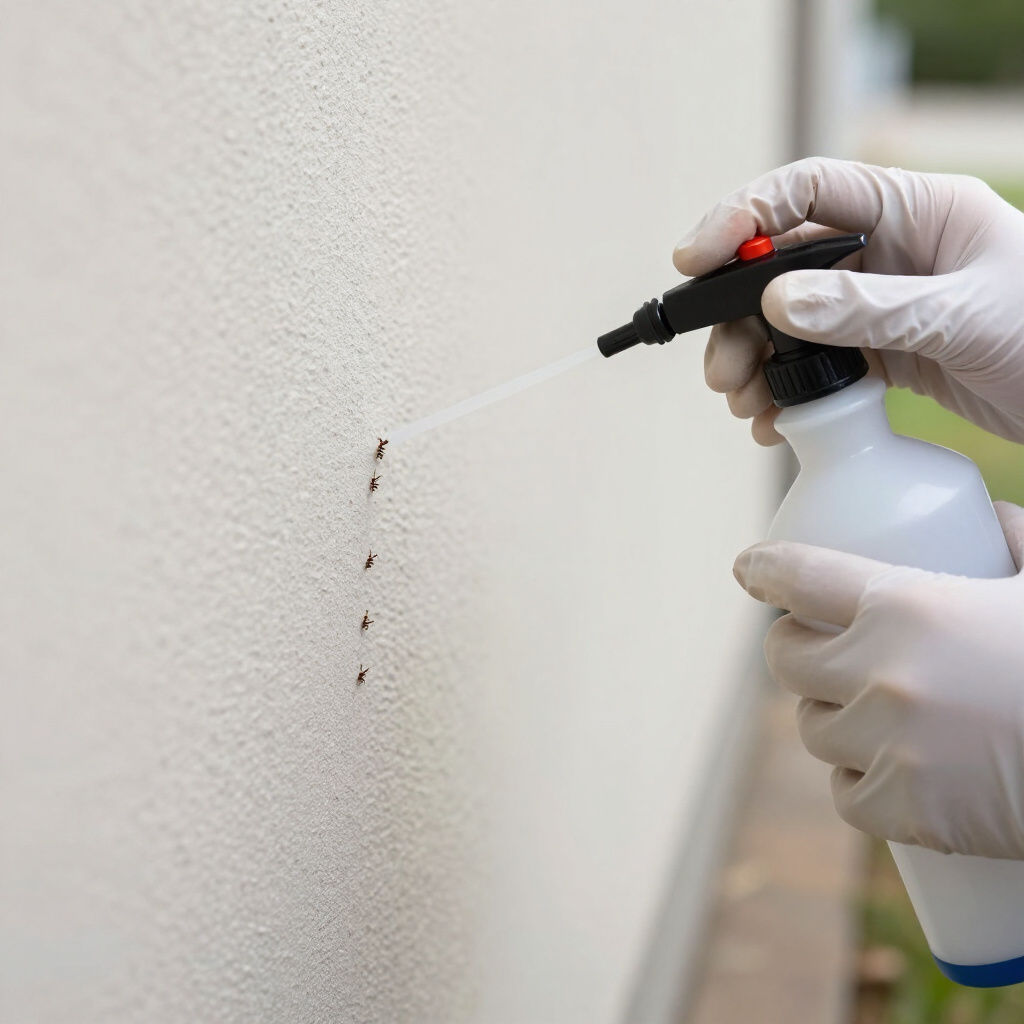
The most obvious signal that you need professional intervention is when pests keep coming back despite your best efforts. If you've tried store-bought traps, sprays, or natural remedies and the problem persists—or worse, intensifies—DIY methods have reached their limit. Pests like cockroaches, ants, and rodents reproduce rapidly, and what appears to be a small surface problem often hides a much larger colony nesting deep within walls, crawl spaces, or underground.
When you call a pest control professional in these situations, you're not just paying for elimination; you're investing in comprehensive detection. Trained technicians understand pest behavior patterns and know exactly where to look for hidden nests and entry points that the average homeowner would never find. They can also identify the specific species invading your home, which matters enormously because treatment methods vary significantly between, say, odorous house ants and carpenter ants.
Another critical moment to seek professional help is when you notice pest activity in multiple areas of your home simultaneously. A few silverfish in the bathroom might be humidity-related and manageable. Silverfish in the bathroom, kitchen, and basement suggest a widespread moisture issue and established infestation requiring systematic treatment.
Structural Damage and Health Risks Require Immediate Expert Response
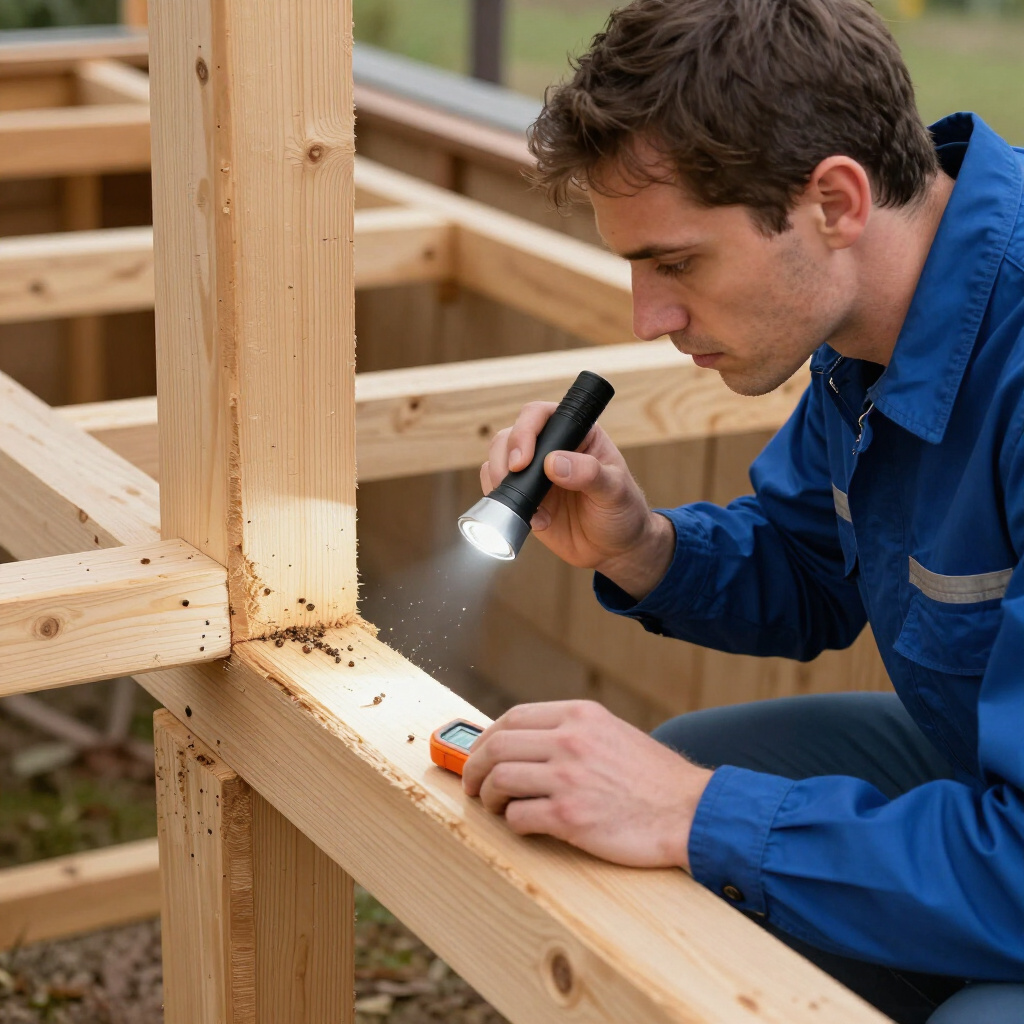
Certain pests pose direct threats to your home's integrity or your family's wellbeing, making professional intervention non-negotiable. Termites silently destroy wooden structures, often causing thousands in damage before visible signs appear. If you discover mud tubes along foundations, hollow-sounding wood, discarded wings, or frass (termite droppings), contacting a pest control professional immediately can mean the difference between localized treatment and extensive structural repairs.
Similarly, rodent infestations demand prompt expert attention. Mice and rats chew through electrical wiring, creating fire hazards, contaminate food stores, and spread diseases through droppings and urine. Their rapid breeding means a small problem explodes into a major infestation within weeks. Professionals don't just remove existing rodents; they implement exclusion techniques to seal entry points as small as a dime, preventing reinfestation.
Bed bugs represent another scenario where calling a pest control professional is essentially mandatory. These resilient parasites resist most consumer-grade treatments, hide in impossibly small crevices, and reproduce quickly. Attempting DIY bed bug elimination often spreads the infestation to previously unaffected rooms while giving the population time to grow. Heat treatment and targeted insecticide applications require specialized equipment and training.
Health symptoms among household members also warrant professional assessment. Unexplained respiratory issues, skin irritations, or allergic reactions could indicate hidden pest problems—from dust mite accumulations to cockroach allergen exposure. If anyone in your home experiences persistent symptoms, professional identification of underlying pest causes protects long-term health.
Key Tips for Timing Your Call and Choosing Service
Acting before problems escalate always yields better outcomes. Schedule preventive inspections annually, particularly if your home's location or construction makes it vulnerable—wood-heavy structures, proximity to wooded areas, or previous infestations all increase risk. Spring and early summer represent ideal timing for preventive treatments before peak pest activity.
When selecting a pest control professional, verify licensing and insurance requirements for your state. Reputable companies provide detailed inspection reports, explain treatment options clearly, and offer integrated pest management approaches that minimize chemical use when possible. Be wary of quotes given without on-site inspection or pressure tactics demanding immediate commitment.
Prepare for your professional's visit by noting when and where you've observed pest activity, any DIY treatments already attempted, and specific concerns about children, pets, or sensitive household members. This information helps technicians customize safe, effective approaches. After treatment, follow all recommendations for sanitation, moisture control, and structural repairs that prevent future problems.
Finally, consider ongoing maintenance programs for high-risk situations. Quarterly or bimonthly professional monitoring catches developing issues before they become full infestations, often at lower lifetime cost than reactive emergency treatments.
Final Thoughts
Knowing when to call a pest control professional comes down to recognizing limits—both of DIY methods and of your own time and expertise. Persistent problems despite home treatment, signs of destructive pests like termites or rodents, health concerns, and widespread activity all point clearly toward professional intervention. The investment in qualified expertise typically resolves problems faster, more thoroughly, and more safely than prolonged self-treatment attempts. Trust your observations, respect the warning signs, and don't hesitate to bring in specialists when the situation warrants. Your home deserves protection that only trained professionals can fully provide.