

How to Choose a Pest Control Professional in Framingham
Framingham's location in Middlesex County puts it at the crossroads of several distinct ecosystems, from the Sudbury River watershed to dense suburban neighborhoods. This geographic diversity means local pest pressures vary significantly depending on whether you're near Callahan State Park, downtown, or along Route 9. When selecting a pest control provider, prioritize companies with demonstrated experience across Framingham's varied microclimates.
Verify proper licensing through the Massachusetts Department of Agricultural Resources, which oversees pesticide applicator certification in the Commonwealth. Any legitimate operator must carry a current Commercial Applicator License. Ask specifically about their familiarity with Middlesex County's seasonal pest patterns—Framingham typically sees heightened carpenter ant activity in late spring, tick populations surge in May through July, and rodents begin seeking indoor shelter by early October as temperatures drop near the Charles River basin.
Request documentation of insurance coverage, including general liability and workers' compensation. Given Framingham's mix of historic homes in Saxonville and newer construction near the Golden Triangle, your provider should demonstrate adaptable treatment approaches. Inquire about integrated pest management (IPM) protocols, which emphasize prevention and targeted applications rather than blanket pesticide use—particularly important for properties near conservation land or water resources.
Check for membership in regional trade organizations such as the New England Pest Management Association, which indicates ongoing education about local pest trends. Read reviews from Framingham-specific customers, noting how companies handle the particular challenges of split-level homes common in the Birch Hill area versus the older foundations prevalent in Nobscot.
What to Expect from Pest Control Services in Framingham
Your initial service typically begins with a comprehensive property inspection lasting 45-90 minutes. The technician will examine both interior spaces and the exterior perimeter, paying special attention to entry points, moisture conditions, and harborage areas. In Framingham's established neighborhoods, expect particular scrutiny of basement bulkheads, garage door seals, and gaps around utility penetrations—common access routes for field mice from adjacent open spaces.
Following assessment, you'll receive a customized treatment plan with clear identification of target pests, recommended methods, and expected outcomes. For active infestations, initial treatments often require interior applications followed by exterior perimeter defense establishment. Most Framingham homeowners benefit from quarterly maintenance programs given the region's four-season pest pressure, though properties near wetland areas or wooded lots may require more frequent monitoring.
Technicians should explain product selection rationale, including any EPA registration numbers and application restrictions. Massachusetts regulations prohibit certain outdoor sprays near water bodies, so properties near Farm Pond or the Sudbury River receive modified protocols. You'll typically receive written post-treatment instructions, often including temporary pet restrictions and ventilation recommendations.
Reputable providers schedule follow-up inspections within 7-14 days for active infestations, with warranty terms clearly stated. Documentation should include treatment dates, products applied, and any structural recommendations—such as repairing rotted fascia boards that attract carpenter ants or improving drainage to reduce mosquito breeding habitat.
Available Pest Control Services
Framingham residents can access comprehensive pest management solutions tailored to local conditions:
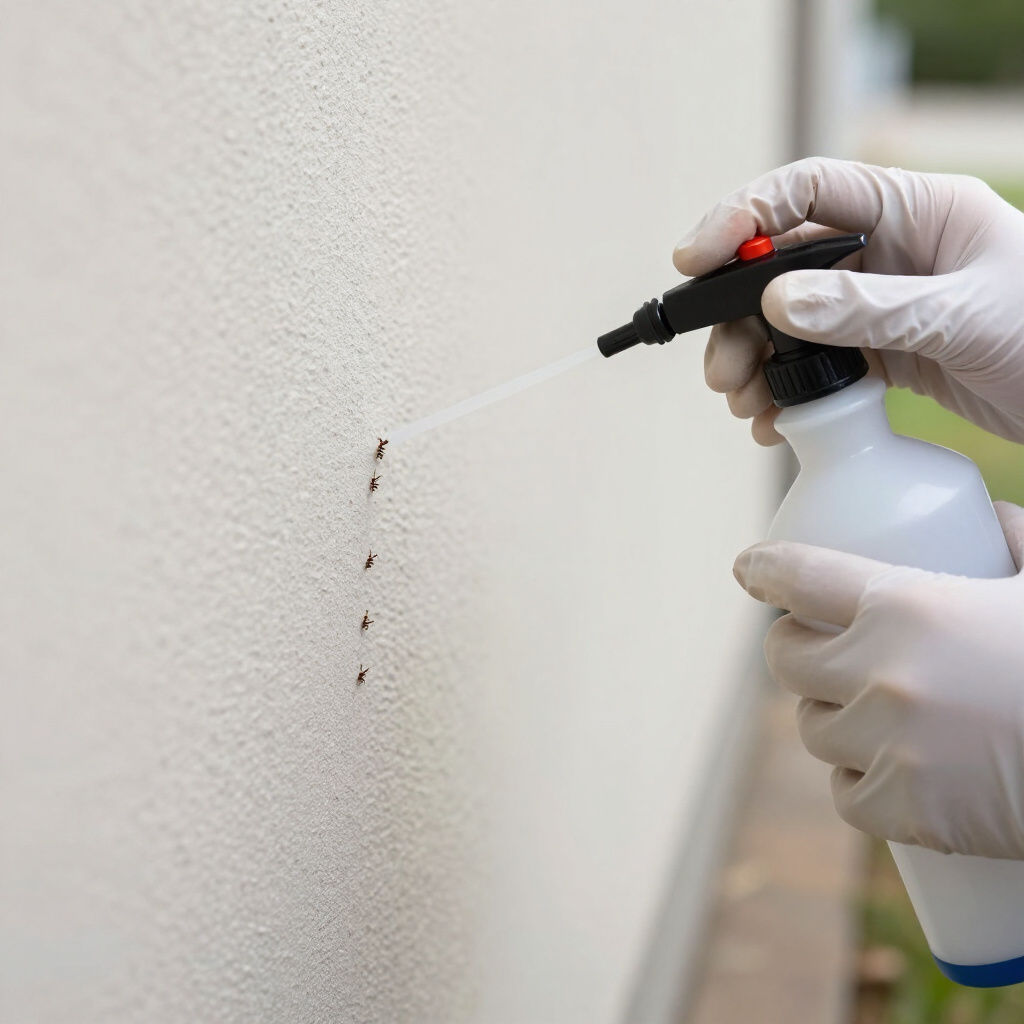
- General Pest Control — Quarterly or bi-monthly perimeter programs targeting ants, spiders, sowbugs, and occasional invaders. Ideal for maintaining barrier protection around foundation parameters.
- Rodent Management — Inspection, exclusion, trapping, and monitoring programs for mice and rats. Critical for homes near agricultural areas, railroad corridors, or commercial zones where food sources concentrate populations.
- Termite Control — Liquid barrier treatments and baiting systems for Eastern subterranean termites. Framingham's mature neighborhoods with established mulch beds and aging wooden structures face elevated risk.
- Mosquito and Tick Reduction — Seasonal yard treatments targeting breeding and harborage areas. Essential for properties abutting conservation land, golf courses, or unmaintained lots where vector populations flourish.
- Wildlife Exclusion — Humane removal and structural sealing for squirrels, raccoons, skunks, and bats. Particularly relevant for homes near Callahan State Park or other wooded corridors where wildlife interfaces with residential areas.
- Bed Bug Elimination — Heat treatment and targeted chemical protocols for multi-unit buildings, single-family homes, and hospitality properties near the Mass Pike corridor.
- Seasonal Services — Specialized programs for spring carpenter ant swarms, summer stinging insect nest removal, fall rodent exclusion, and winter cluster fly management.
Frequently Asked Questions
How does Framingham's location affect pest activity compared to other Middlesex County towns?
Framingham's position at the intersection of major highways and its mix of urban, suburban, and conservation landscapes creates diverse pest pressures. Properties near Interstate 90 or Route 9 often experience more rodent issues due to traffic corridors, while homes adjacent to Callahan State Park or the Sudbury River face higher tick, mosquito, and wildlife encounters. The town's older Saxonville and Nobscot neighborhoods with mature tree canopies see more carpenter ant and wood-boring insect activity than newer developments.
Are there special regulations for pest control near Framingham's water resources?
Yes. Massachusetts implements strict buffer zone requirements for pesticide applications near wetlands, rivers, and ponds. Properties near Farm Pond, the Sudbury River, or any certified vernal pool require modified treatment plans using reduced-risk products and precise application techniques. Licensed applicators must hold additional certifications for work in sensitive areas and maintain detailed records for state inspection.
When should Framingham homeowners schedule preventive pest control?
The most effective timing aligns with pest biology rather than visible activity. Schedule exterior perimeter treatments in March-April before ant swarming and again in September-October before rodent entry. Tick yard treatments should begin in late April and continue monthly through August. Homes with history of carpenter ants benefit from early spring inspection before satellite colonies establish. Waiting until you see pests typically means addressing established infestations rather than preventing them.