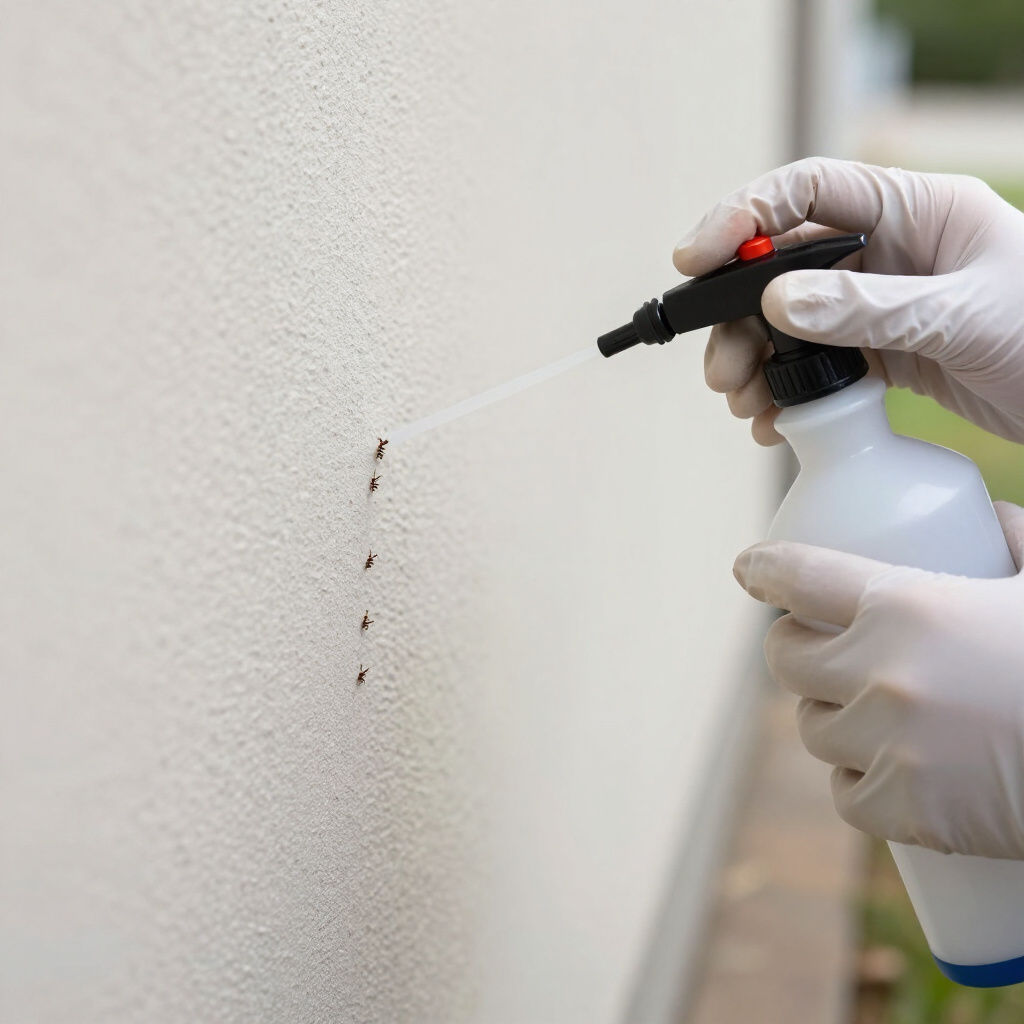


Pest Control Services in Gardner, MA
Gardner sits in northern Worcester County where the confluence of Crystal Lake, the surrounding woodlands, and classic New England seasons creates conditions that draw pests year-round. From the historic downtown near Monument Park to the residential neighborhoods spreading toward Westminster and the rural properties along Route 2A, homeowners and businesses face distinct pest pressures that demand localized solutions.
Our technicians understand Gardner's specific landscape—how the lake effect moisture feeds carpenter ant colonies in older Victorian homes, how field mice migrate from agricultural edges into basements each autumn, and how the dense tree canopy around Dunn State Park channels wildlife toward human structures. We tailor treatments to these patterns rather than applying generic protocols.
Seasonal Pest Patterns in Gardner
Spring thaw brings carpenter ants emerging from overwintering sites in water-damaged wood, particularly common in Gardner's century-old housing stock. By early summer, wasps establish nests under eaves and in outbuildings, while mosquitoes breed in standing water near Crystal Lake's marshy margins. Late summer sees yellowjacket aggression peak as colonies reach maximum size.
Fall triggers the most urgent residential calls: mice and rats pushing indoors through foundation gaps as temperatures drop. Gardner's position between open farmland and forest creates sustained rodent pressure that continues until hard freeze. Winter doesn't eliminate pest problems—it shifts them underground and into wall voids, where cluster flies, stink bugs, and overwintering wasps remain dormant but present.
Commercial Pest Management
Gardner's business community—from furniture manufacturers honoring the city's "Chair City" heritage to restaurants along Main Street and medical offices near Heywood Hospital—requires discreet, compliant pest control that protects reputation and meets health department standards. We provide scheduled preventative programs with detailed documentation for audits and inspections.
Common Pest Questions for Gardner Homeowners
Why are carpenter ants so prevalent in Gardner's older homes?
Gardner's Victorian-era housing stock features extensive wood construction, often with moisture issues from aging foundations, inadequate drainage, or ice dam damage. Carpenter ants don't eat wood—they excavate galleries in softened, decaying timber to establish satellite colonies. Crystal Lake's humidity and the city's mature tree canopy create ideal outdoor nesting habitat, with foraging workers regularly entering structures within 100 yards of parent colonies. Effective treatment requires locating and eliminating both indoor satellites and outdoor parent nests, something our technicians train extensively to accomplish.
How does proximity to Dunn State Park affect pest pressure?
Properties bordering Dunn State Park and the surrounding conservation land experience elevated wildlife and insect activity. Raccoons, skunks, and opossums follow watercourses and wooded corridors directly into residential areas. Tick populations flourish in the brushy edge habitat where lawns meet forest. Mosquitoes travel significant distances from wetland breeding sites. We implement perimeter-focused strategies for these homes—reducing harborage, treating transition zones, and installing physical barriers where wildlife entry is recurrent.
What should I do about mice in my Gardner basement each fall?
Fall mouse invasions are nearly universal in Gardner due to the city's rural-urban interface. The critical response has three components: exclusion (sealing gaps larger than ¼ inch with rodent-proof materials, not foam), population reduction (strategic trapping and baiting), and environmental modification (removing birdseed storage, firewood stacks against foundations, and dense vegetation near walls). One component alone rarely succeeds. We recommend professional assessment because mice establish scent trails that attract subsequent generations even after initial removal.
Are bed bug issues common in Gardner, and how do they spread?
Bed bugs occur throughout Worcester County, including Gardner, typically introduced through travel, secondhand furniture, or visiting guests. They're not associated with cleanliness or socioeconomic status. Gardner's location on Route 2 corridor means residents travel frequently to Boston, Hartford, and beyond—common acquisition points. Multi-unit buildings near downtown see higher transmission rates. Early detection through mattress inspection and prompt professional heat treatment prevents infestation establishment. DIY foggers and sprays typically scatter populations and worsen problems.
How do I choose between quarterly and monthly pest control service?
For most Gardner residences, quarterly perimeter maintenance adequately prevents ant, spider, and wasp issues while providing early rodent detection. Monthly service becomes warranted for properties with specific vulnerabilities: active moisture problems attracting carpenter ants, documented heavy tick populations, recurrent mice despite exclusion efforts, or commercial kitchens requiring regulatory compliance. We assess each property individually rather than defaulting to more frequent—and more expensive—schedules than necessary.