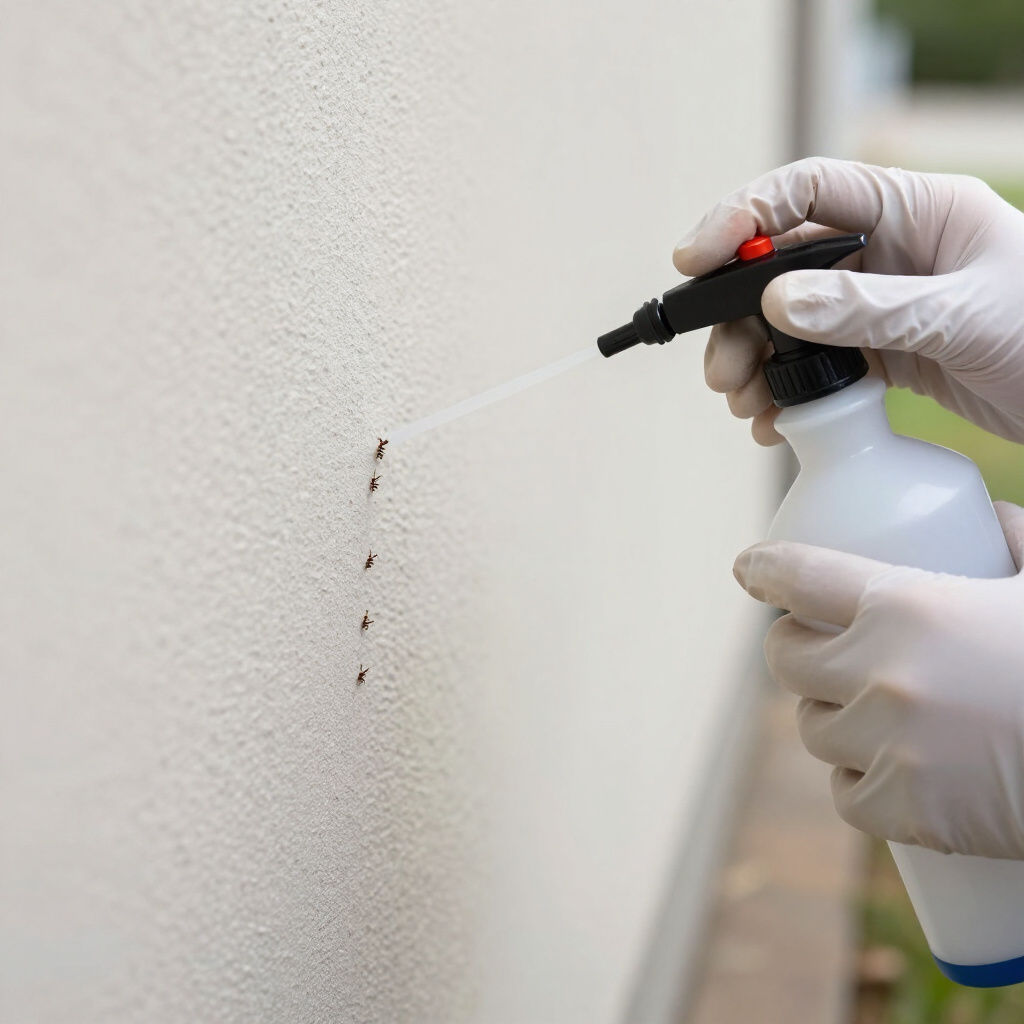


Living in the Pioneer Valley means sharing your space with more than just scenic views of the Holyoke Range. Northampton's blend of historic homes, college housing near Smith College, and riverside properties along the Connecticut River creates unique pest pressures that require localized expertise. From carpenter ants tunneling through Victorian-era timber to mice seeking winter shelter in basements near downtown, pest activity here follows patterns shaped by our specific geography and building stock.
Whether you own a restored farmhouse in Florence, manage rental properties near the Three County Fairgrounds, or operate a restaurant on Main Street, effective pest management in Hampshire County demands approaches tailored to our climate, seasonal cycles, and architectural diversity.
Common Pest Challenges in Northampton
Northampton's location in the Connecticut River Valley produces distinct pest seasons that catch many property owners off guard. Spring floods along the Mill River drive rodents and moisture-seeking insects into elevated structures. Summer humidity in low-lying neighborhoods like Bay State breeds mosquito populations that thrive in standing water. Fall's temperature drops trigger mass movements of stink bugs and boxelder beetles seeking overwintering harborage in south-facing walls. Winter's freeze-thaw cycles drive field mice from agricultural edges into heated structures throughout Leeds and Florence.
Our technicians address these cyclical pressures through integrated strategies:
- Structural pest exclusion — sealing entry points common in pre-1940s construction, including fieldstone foundation gaps, balloon framing voids, and unscreened attic vents
- Moisture pest management — targeting carpenter ants, silverfish, and springtails in basements and crawl spaces with dehumidification recommendations and targeted treatments
- Food service protection — helping downtown restaurants and Smith College dining facilities maintain compliance with Hampshire County health standards
- Multi-unit housing programs — coordinating treatments across connected structures to prevent pest migration between units
- Ornamental and turf pests — managing ticks, mosquitos, and grubs that impact properties bordering conservation land or agricultural fields
Each service begins with a property inspection identifying active infestations, conducive conditions, and species-specific risks. Treatment plans prioritize targeted applications over broadcast spraying, with particular attention to pollinator protection given Northampton's active gardening and farming communities.
Why Northampton Properties Need Specialized Approaches
The architectural heritage that makes Northampton distinctive also creates pest vulnerabilities absent from newer construction. Homes in the Northampton Historic District often feature original plaster and lath, wide plank flooring with gaps, and balloon framing that allows vertical pest movement across multiple stories. These characteristics demand inspection techniques and treatment methods developed specifically for vintage structures.
College-area rentals present different challenges. High tenant turnover, shared walls, and inconsistent sanitation practices between units create conditions where bed bugs and German cockroaches establish and spread rapidly. Effective management requires coordinated treatment across entire buildings, not isolated unit applications.
Agricultural interface properties in outlying areas contend with field rodents, crop-invading insects, and wildlife pressures from expanding coyote and deer populations. These locations benefit from perimeter-focused programs that establish defensive barriers before pests reach structures.
Frequently Asked Questions About Pest Control in Northampton
What pests are most active during Northampton winters?
Mice dominate winter pest calls throughout Hampshire County. Field mice from surrounding agricultural areas move into heated structures when temperatures drop below freezing, typically entering through gaps as small as a dime. Overwintering insects including stink bugs, boxelder beetles, and cluster flies also generate significant activity as they emerge from wall voids during warm spells. Our winter service focus shifts to interior monitoring, exclusion reinforcement, and targeted treatments for active infestations rather than exterior applications.
How do you handle pest control near Smith College and sensitive campus areas?
We coordinate with institutional facilities management and follow integrated pest management protocols that minimize chemical applications in educational environments. Exterior bait stations and mechanical monitoring devices receive priority. When treatments become necessary, we select reduced-risk products and schedule applications during low-occupancy periods. Documentation supports institutional sustainability reporting and compliance requirements.
Are carpenter ants a serious problem in Northampton's older homes?
Carpenter ants represent one of our most economically significant pests in Hampshire County's historic housing stock. Unlike termites, they don't consume wood but excavate galleries for nesting, often targeting moisture-damaged structural timbers. Northampton's frequent rain, aging gutter systems, and fieldstone foundations with chronic dampness create ideal conditions. Effective control requires locating satellite colonies—which can number in the dozens—and addressing moisture sources. Simply spraying visible ants fails because the parent colony, often located in outdoor woodpiles, rotting trees, or soil, continues producing replacements.
What should I expect during a pest inspection in Northampton?
Residential inspections typically require 45-90 minutes depending on property size and complexity. Our technicians examine exterior foundation perimeters, attic spaces, basement or crawl space areas, and interior living spaces for active pests, damage patterns, and entry opportunities. We pay particular attention to conditions common in Pioneer Valley properties: fieldstone foundation moisture, balloon framing access points, and mature landscaping that contacts structures. You'll receive documentation of findings, species identification, and a prioritized treatment plan with transparent pricing before any service begins.