
Common Pest Control Problems in Boston
Boston's historic character comes with unique pest challenges that homeowners and businesses face throughout Suffolk County. The city's aging infrastructure—centuries-old brick buildings, extensive tunnel systems, and densely packed neighborhoods—creates ideal conditions for rodents, insects, and wildlife to thrive.
Rat and mouse infestations rank among the most persistent issues in Boston proper. The Big Dig's underground network and the city's subway system provide rodents with protected corridors that span multiple neighborhoods. Older triple-deckers and brownstones with deteriorating foundations offer easy entry points, while waterfront properties in the Seaport and East Boston contend with Norway rats drawn to harbor activity.
German cockroaches plague multi-unit housing across Roxbury, Dorchester, and Mattapan, spreading rapidly through shared walls and plumbing. Bed bug resurgence continues in student-heavy areas like Allston-Brighton and Fenway, with high turnover in rental properties fueling reinfestation cycles.
Seasonal patterns intensify specific threats. Spring brings carpenter ants to Jamaica Plain and Roslindale's tree-lined streets, while summer mosquitoes breed in standing water throughout the Emerald Necklace park system. Fall drives field mice from the Fens and Arnold Arboretum into adjacent homes. Winter pushes squirrels into attics across Back Bay and Beacon Hill, where they gnaw wiring and insulation.
Termite pressure remains significant in wood-frame structures common to South Boston and Charlestown, with eastern subterranean termites causing hidden damage before detection.
How We Help Boston Homeowners
Effective pest management in Boston requires strategies tailored to urban density, historic building preservation requirements, and seasonal pest pressures. Our approach integrates thorough inspection, targeted treatment, and ongoing monitoring.
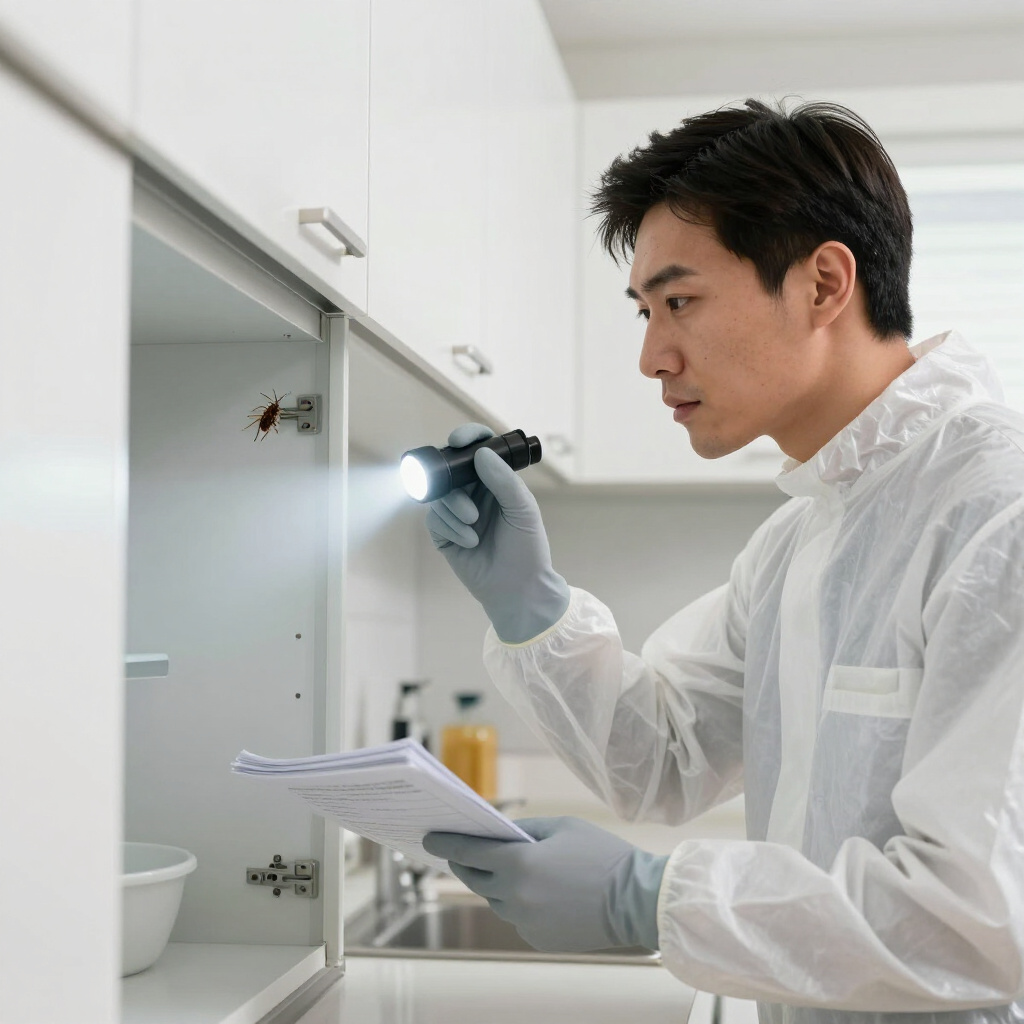
We begin with comprehensive property assessment, identifying entry points through foundation analysis, utility penetration examination, and moisture evaluation. For rodent issues, we implement exclusion sealing combined with strategic trapping and baiting systems positioned away from children and pets.
Integrated Pest Management (IPM) principles guide our treatment selection, prioritizing mechanical and environmental controls before chemical applications. This proves especially valuable in Boston's food service establishments and healthcare facilities where regulatory compliance demands precision.
For multi-unit buildings, we coordinate with property managers to establish building-wide protocols preventing pest migration between units. Our documentation supports landlords in meeting Massachusetts sanitary code requirements and responding to tenant complaints promptly.
Pest Control Services Available in Boston
- Rodent Control: Rat and mouse elimination with exclusion work, interior trapping, and exterior bait stations
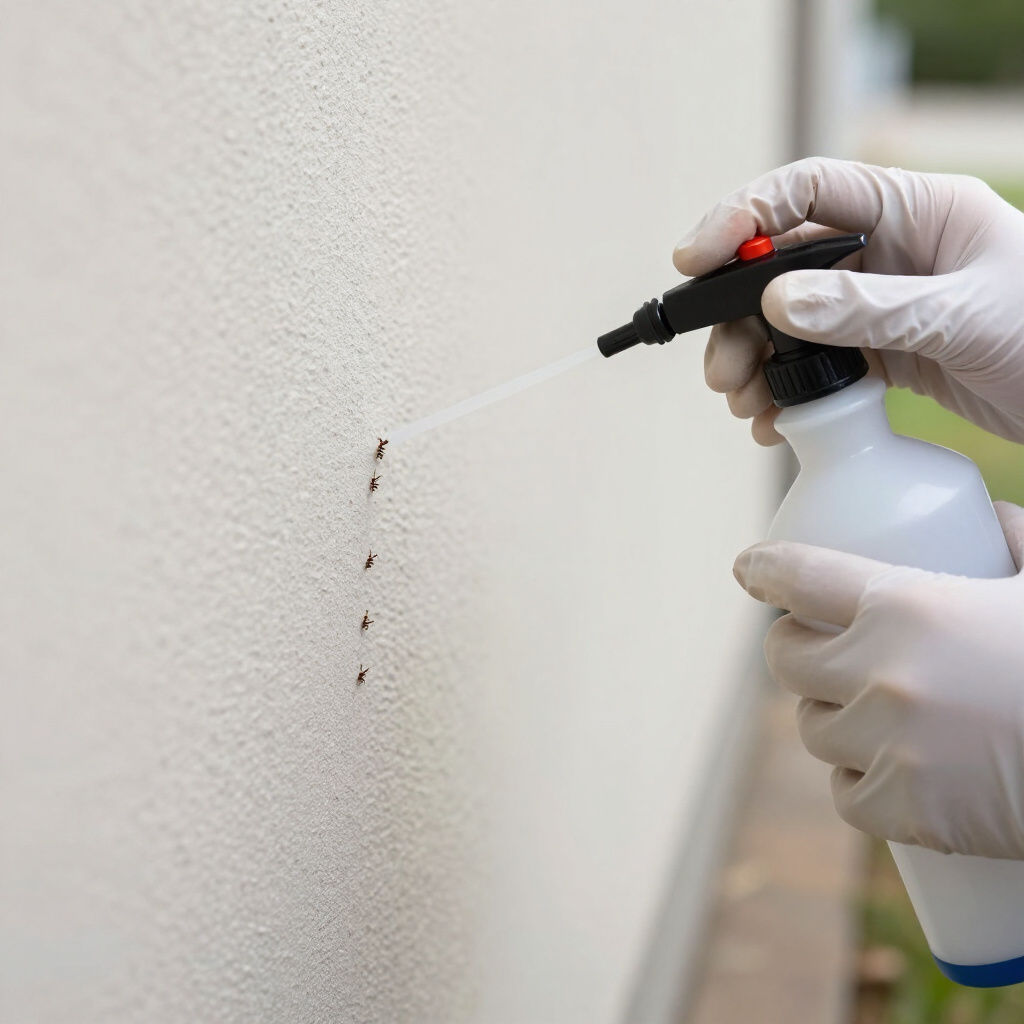
- Insect Management: Cockroach, ant, and spider treatment using targeted applications
- Bed Bug Services: Heat treatment and conventional options with canine verification available
- Termite Protection: Liquid barrier systems and baiting programs with real estate transaction inspections
- Wildlife Removal: Humane squirrel, raccoon, and bat exclusion with one-way devices
- Mosquito & Tick Programs: Seasonal yard treatments for outdoor spaces
- Commercial Pest Management: Customized programs for restaurants, hotels, and institutional facilities
- Emergency Response: Same-day service for urgent infestations
Pest Control Pricing in the Boston Area
Service costs in Boston reflect the complexity of urban pest management, property type, and infestation severity. General pest control for single-family homes typically ranges from $125 to $275 per treatment, with quarterly maintenance plans offering reduced per-visit rates.
Rodent control programs involving exclusion work and ongoing monitoring generally start between $350 and $650 for initial service, with monthly or bi-monthly follow-up visits. Bed bug heat treatment for averaged-sized apartments runs $800 to $1,500, while whole-house treatment reaches $2,000 to $4,000 depending on square footage and preparation requirements.
Termite protection represents a longer-term investment, with liquid barrier treatments for standard Boston lots ranging $1,200 to $2,500 and monitoring bait systems carrying annual subscription fees. Commercial accounts receive customized quotes based on facility size, operational hours, and inspection frequency needs.
Many Boston properties benefit from bundled service agreements combining multiple pest categories, particularly valuable for landlords managing portfolios across Suffolk County.
Frequently Asked Questions
How quickly can you respond to pest emergencies in Boston?
We offer same-day and next-day appointments throughout Boston and surrounding Suffolk County communities. Emergency rodent and bed bug situations receive priority scheduling.
Are treatments safe for historic Boston homes with original features?
Yes. Our technicians are experienced with historic preservation requirements and use application methods that protect original plaster, woodwork, and architectural details while effectively addressing pest issues.
Do you service multi-unit apartment buildings?
Absolutely. We regularly work with Boston property managers and condo associations to implement building-wide pest management strategies that prevent unit-to-unit pest migration.
What preparation is needed before bed bug treatment?
Heat treatment requires laundering and bagging clothing, removing heat-sensitive items, and decluttering to allow air circulation. We provide detailed preparation checklists specific to your treatment type and property layout.
Can you handle restaurant pest control during operating hours?
We schedule commercial treatments around your operational needs, offering early morning, late evening, and overnight service options to minimize business disruption while maintaining food safety compliance.