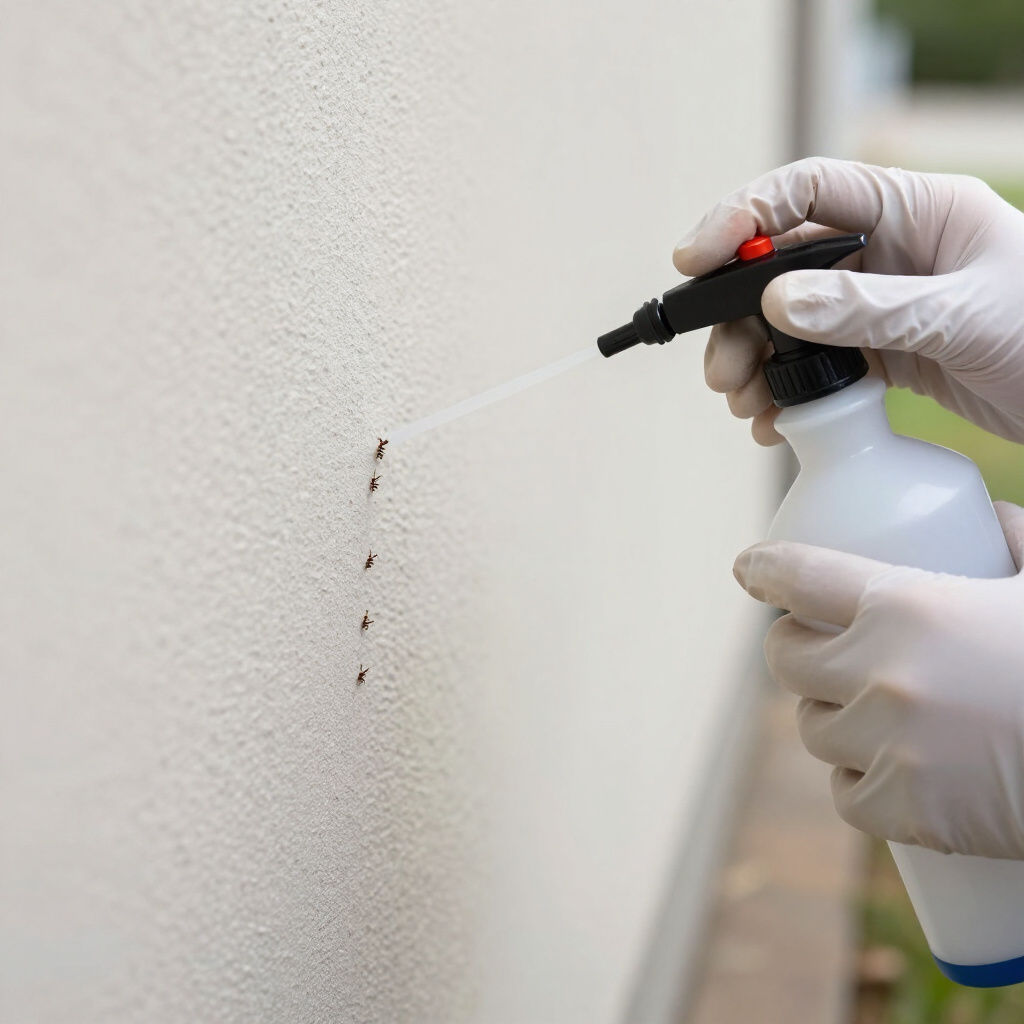


Pest Control Services in Quincy, MA
Quincy's coastal location along Quincy Bay and its mix of historic neighborhoods, dense residential areas, and commercial corridors create distinct pest pressures throughout the year. From the waterfront properties in Squantum to the hillside homes in West Quincy, residents face challenges that demand localized expertise and responsive service.
Our technicians understand how Quincy's older housing stock—many homes dating back decades or even centuries—provides ample entry points for rodents seeking shelter. The city's proximity to the Neponset River and numerous ponds also attracts mosquitoes, while the urban tree canopy harbors carpenter ants and other wood-destroying insects that threaten structural integrity.
We provide comprehensive pest management tailored to Quincy's specific conditions:
- Residential pest control — Ongoing protection plans for single-family homes, condos, and apartments throughout Quincy neighborhoods
- Commercial pest management — Discreet, compliant service for restaurants along Hancock Street, retail centers, healthcare facilities, and office buildings
- Termite inspections and treatment — Subterranean termite protection using baiting systems and liquid barriers, critical for Quincy's wooden structures
- Rodent exclusion and control — Sealing entry points and eliminating mice and rat infestations common near the MBTA lines and dense neighborhoods
- Mosquito and tick reduction — Seasonal treatments for yards bordering the Blue Hills Reservation and other green spaces
- Bed bug elimination — Heat treatment and targeted chemical applications for multi-unit buildings and single homes
Whether you're dealing with carpenter ants in Marina Bay, mice in a North Quincy triple-decker, or cockroaches in a Wollaston restaurant, our approach combines thorough inspection, targeted treatment, and preventive measures designed for long-term results.
Common Pest Control Questions for Quincy Homeowners
What pests are most common in Quincy, Massachusetts?
Quincy residents most frequently encounter mice, carpenter ants, odorous house ants, termites, mosquitoes, and cockroaches. The city's coastal climate with humid summers provides ideal breeding conditions for many insect species, while older homes with gaps and deteriorating foundations invite rodent entry. German cockroaches remain particularly problematic in multi-unit housing, especially near dense commercial corridors.
How does Quincy's proximity to Boston affect local pest activity?
Quincy's direct MBTA connections and dense commuter population increase the risk of bed bug introductions from travelers. The urban heat island effect extending from Boston also extends the active season for many pests. Additionally, shared infrastructure like the subway lines and highway corridors create pathways for rodent migration between cities, making coordinated neighborhood treatment approaches more effective.
Are termites a serious concern for Quincy homes?
Yes, eastern subterranean termites pose significant risk throughout Suffolk County, including Quincy. The combination of mature wooden structures, moist coastal soil conditions, and substantial tree cover creates favorable environments for termite colonies. We recommend annual inspections for homes over 25 years old and immediate evaluation if you notice mud tubes, hollow-sounding wood, or discarded swarmer wings—typically visible in spring.
What should I do before a pest control treatment in Quincy?
Preparation varies by pest type. For general interior treatments, remove pet food and water dishes, store food in sealed containers, and clear under-sink areas. For bed bug service, wash and dry bedding on high heat and reduce clutter. For rodent control, seal accessible food sources but do not seal entry points yourself—our technicians identify all access points during inspection. We'll provide specific preparation instructions when scheduling your Quincy service appointment.